Parafraseando Marcelo Leite, me perdoe o leitor a imagem violenta do título, mas é por motivo nobilíssimo e tem apenas um sentido figurado - a lâmina afiada deste blogueiro se volta contra os argumentos exarados nos artigos de três buldogues tupiniquins de Darwin publicados na Folha de São Paulo contra a indicação do Dr. Benedito Aguiar para a presidência da CAPES e negando a cientificidade e robustez epistêmica da Teoria do Design Inteligente:
Buldogue tupiniquim de Darwin 1: Diogo Meyer

Diogo Meyer começa seu artigo respondendo à pergunta do que tornaria uma explicação científica – ela deve ser testada contra observações do mundo natural, ser consistente com o conhecimento vigente e ter passado pelo crivo da comunidade científica, e destacou que nos seus congressos, livros e revistas, cientistas examinam, avaliam, endossam ou refutam explicações.
Convenhamos, a resposta de Meyer, segundo a Filosofia da Ciência, é muito demarcacionista, pragmaticamente seletiva e desatualizada, pois há proposições científicas que não podem ser testadas. Por exemplo, as de longo alcance histórico que lidam sobre a origem e evolução do universo (Big Bang) e da vida, ou a de multiversos, buracos negros que, apesar de não ser possível testá-las, têm sido aceitas quase unanimemente (consenso!!!) pela comunidade científica. Meyer, na biologia evolucionária a descendência com modificação, entre outras hipóteses, passaria por este crivo epistemológico rigoroso? Não passa. É reprovada magna cum laude!
Meyer afirmou existir formas não científicas de explicar o mundo, sendo a religião uma delas, mas que a ciência e a religião oferecem explicações profundamente diferentes, porém legítimas e que refletem aspectos distintos da nossa cultura. Mas apesar de ter dourado a pílula da legitimidade da explicação religiosa, isso ficou somente nesse parágrafo tipo uma no cravo, outra na ferradura.
Meyer destacou existirem duas explicações para a diversidade (e complexidade) dos seres vivos na Terra: uma científica e a outra religiosa. Na explicação científica, a teoria da evolução explicaria que toda a vida na Terra resulta de um processo de descendência comum com modificação, e os seres vivos são conectados uns aos outros por elos de ancestralidade comum. E que a teoria da evolução sobreviveu aos testes contra observações e passou pelo controle de qualidade da comunidade científica.
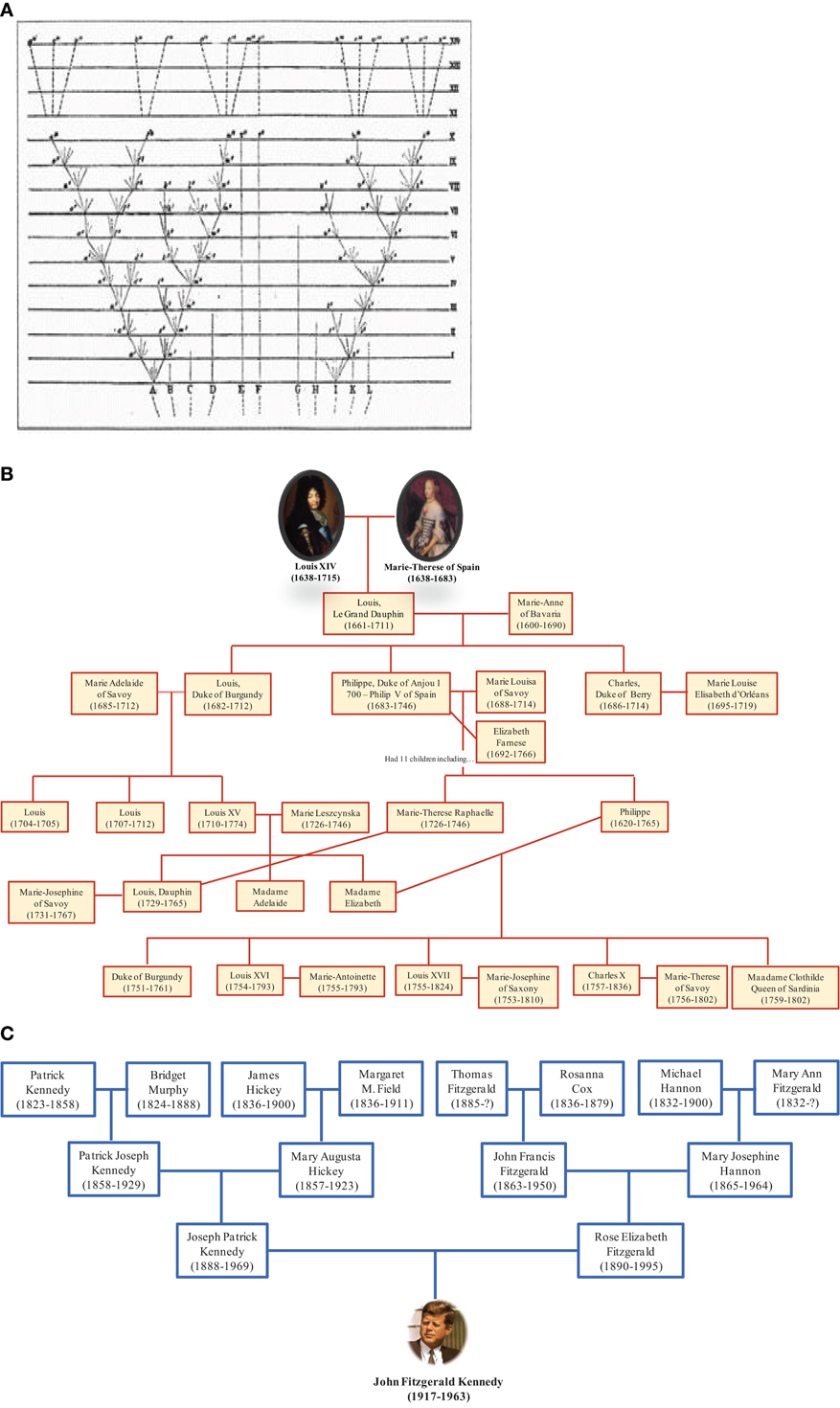
Nada mais falso! Eugene Koonin, do Centro Nacional de Informações sobre Biotecnologia, afirmou na Trends in Genetics destacou que, devido a falhas nos princípios neodarwinistas centrais, como o "conceito tradicional da árvore da vida" ou a visão de que "a seleção natural é a principal força motriz da evolução" indicam que “a síntese moderna desmoronou, aparentemente, além do reparo” e “todos os principais princípios da síntese moderna foram, se não totalmente revertidos, substituídos por uma visão nova e incomparavelmente mais complexa dos aspectos principais da evolução”. Koonin concluiu, "Para não medir as palavras, a síntese moderna já era." E. V. Koonin, “The Origin at 150: Is a New Evolutionary Synthesis in Sight?” Trends in Genetics, 25:473-474 (2009).
Não quero ser deselegante com Meyer, um cientista respeitado na USP, uma das universidades bem-conceituadas no mundo, mas a afirmação seria desonestidade acadêmica seletiva - ele sabe, mas não quer dar o braço a torcer - ou desconhecimento profundo de literatura científica com revisão paritária questionando algum aspecto sobre toda a vida na Terra ser resultado do processo de descendência comum com modificação.
Dever de casa para Meyer se atualizar na literatura científica:
PATTERSON, C. et al., Congruence Between Molecular and Morphological Phylogenies, Annual Review of Ecology and Systematics, Vol. 24: 153-188 (1993). Neste artigo liderado por PATTERSON, os autores compararam as árvores filogenéticas baseadas na morfologia com aquelas baseadas em moléculas, e descobriram que há muito pouca congruência entre os dois tipos de árvores, dando a entender que a evolução darwiniana tem feito predições frágeis a respeito de confirmações esperadas de ancestralidade comum a partir da biologia molecular. Eles expressaram desapontamento com suas descobertas: “As morphologists with high hopes of molecular systematics, we end this survey with our hopes dampened. Congruence between molecular phylogenies is as elusive as it is in morphology and as it is between molecules and morphology.”
TURBEVILLE, J. M.; SCHULZ, J. R.; RAFF, R. A., Deuterostome Phylogeny and the Sister Group of the Chordates: Evidence from Molecules and Morphology, Molecular Biology and Evolution, Vol. 11(4):648-655 (1994). TURBEVILLE et al são sistematizadores de renome. Eles admitem os conflitos encontrados quando se tenta usar as moléculas ou a morfologia para se resolver as relações filogenéticas dos principais grupos de deuterostômicos.
HASEGAWA, M.; ADACHI, J.; MILINKOVITCH, M. C., Novel Phylogeny of Whales Supported by Total Molecular Evidence, Journal of Molecular Evolution, Vol. 44(Suppl 1):S117–S120 (1997). Neste artigo, HASEGAWA et al relatam que a filogenia das baleias com dentes baseada em moléculas conflita com a filogenia clássica baseada na morfologia das baleias modernas: “our analyses strongly suggest that the traditional view of toothed-whale monophyly should be rejected.”
SCHWABE, C., Embryotic evolution: An ancient question, a new answer, Cell Cycle, Vol. 7(11):1503-1506 (June 1, 2008). Este autor faz uma crítica pesada à teoria da evolução moderna: “In an effort to fit the past events to the prevailing theory of evolution, the natural phenomenon has become so convoluted and polemic-ridden that it has floated clear out of the roam of science.” SCHWABE propõe um tipo de “embryotic evolution”: “The well-documented inability to discover intermediate forms again points to the stem cell as the evolutionary unit.”
DE JONG, W. W., Molecules remodel the mammalian tree, Trends in Ecology and Evolution, Vol. 13(7):270-275 (July, 1998). Nesta resenha, DE JONG discute o fato de que várias hipóteses filogenéticas de árvores explicando as relações de vários grupos mamíferos serem conflitantes. Ele afirmou categoricamente que “a strict consensus tree of prevailing phylogenies of the mammalian orders would reduce to an unresolved bush, the only consistent clade probably being the grouping of elephants and sea cows.”
WOESE, C., The universal ancestor, Proceedings of the National Academy of Sciences USA, Vol. 95: 6854-6859 (June, 1998). WOESE admite neste artigo o fato da existência de incongruências filogenéticas por toda a árvore da vida: “Phylogenetic incongruities can be seen everywhere in the universal tree, from its root to the major branchings within and among the various taxa to the makeup of the primary groupings themselves.”
NORMILLE, D., New Views of the Origins of Mammals, Science, Vol. 281:774 (August 7, 1998). Neste artigo, NORMILLE revê como que as predições evolucionárias a partir de dados moleculares frequentemente discordam dos achados no registro fóssil: “Paleontologists and molecular biologists take different approaches to questions of evolution and often come to different conclusions.” Isto mostra que o conhecimento convencional sobre o ancestral comum a partir do registro fóssil não está fazendo predições bem-sucedidas sobre o que os dados moleculares nos dizem.
MINDELL, D. P. et al., Multiple independent origins of mitochondrial gene order in birds, Proceedings of the National Academy of Sciences USA, Vol. 95: 10693-10697 (September 1998). MINDELL et al descrevem as dificuldades encontradas quando os biólogos evolucionistas tentam construir uma árvore filogenética para os principais grupos de aves usando o DNA mitocondrial. As árvores baseadas nestas moléculas de mtDNA têm divergido com as noções tradicionais das relações entre as aves. Surpreendentemente, os autores até acham semelhança “convergente” entre alguns mtDNAs de aves e os mtDNAs de espécies distantes como cobras e lagartos.
CAO, Y. et al., Conflict Among Individual Mitochondrial Proteins in Resolving the Phylogeny of Eutherian Orders, Journal of Molecular Evolution, Vol. 47:307-322 (1998). Nesta pesquisa, CAO et al relatam que quando o DNA mitocondrial foi usado para construir uma árvore filogenética para muitas ordens de mamíferos, os resultados entraram em choque com as expectativas do que a árvore filogenética deveria parecer. Tais conflitos entre árvores filogenéticas baseadas em moléculas são comuns e representam um desafio para a expectativa darwinista de que a vida se encaixaria em árvores hierárquicas nítidas.
MUSHEGIAN, A. R. et al., Large-Scale Taxonomic Profiling of Eukaryotic Model Organisms: A Comparison of Orthologous Proteins Encoded by the Human, Fly, Nematode, and Yeast Genomes, Genome Research, Vol. 8:590-598 (1998). Neste artigo, MUSHEGIAN et al explicam que “different proteins generate different phylogenetic tree[s]” quando alguém considera várias árvores evolucionárias hipotetizadas para as principais relações de grupos de animais.
NAYLOR, G. J. P.; BROWN, W. M., Amphioxus Mitochondrial DNA, Chordate Phylogeny, and the Limits of Inference Based on Comparisons of Sequences, Systematic Biology, Vol. 47: 61-76 (1998). NAYLOR e BROWN relatam neste artigo que quando o DNA mitocondrial foi usado para tentar construir uma árvore filogenética para os cordados, a árvore conflitou nitidamente com a filogenia comumente aceita para os cordados. Novamente isso mostra como que os dados moleculares conflitam com os dados morfológicos. Os autores até hipotetizaram a evolução convergente a nível molecular para explicar os dados.
VAN HOLDE, K. E., Respiratory proteins of invertebrates: Structure, function and evolution, Zoology: Analysis of Complex Systems, Vol. 100: 287-297 (1998). Neste artigo, VAN HOLDE relata os conflitos severos existentes quando alguém tenta construir uma árvore filogenética de moléculas que transportam oxigênio. Ele concluiu que “the phylogenetic distribution of the whole group of oxygen transport proteins cannot be easily reconciled with many current models of metazoan evolution.”
LEIPE, D. D. et al., Did DNA replication evolve twice independently?, Nucleic Acids Research, Vol. 27(17): 3389-3401 (1999). LEIPE et al discutem neste artigo como que o DNA é importante para a vida, mas acha surpreendente o fato de vários tipos de organismos diferentes usarem enzimas muito diferentes para replicar o DNA. Isso sugere que a maquinaria que permite a replicação do DNA deva ter evoluído duas vezes. Por causa da pressuposição de ancestralidade comum de todos os organismos vivos foi que os autores chamaram esta descoberta de surpreendente.
BENTON, M. J., Early origins of modern birds and mammals: molecules vs. morphology, BioEssays, Vol. 21:1043-1051 (1999). Neste artigo, BENTON discute as discrepâncias entre as datas preditas de história filogenética baseada em moléculas versus o registro fóssil. O autor afirmou: “Molecular and morphological data on evolutionary patterns have apparently conflicted a number of times.”
LEE, M. S. Y., Molecular Clock Calibrations and Metazoan Divergence Dates, Journal of Molecular Evolution, Vol. 49: 385-391 (1999). LEE explica neste artigo que as muitas pressuposições usadas para calcular a divergência de datas usando relógios moleculares, e descobre que as datas dadas na literatura especializada para a divergência de vários grupos de organismos frequentemente estão erradas.
LEE, M. S. Y., Molecular phylogenies become functional, Trends in Ecology and Evolution, Vol. 14(5): 177-178 (May, 1999). Neste outro artigo, LEE admite que a evolução convergente pode causar problemas quando se tenta construir árvores filogenéticas. Ele afirmou: “The mechanical perfection of organisms represents compelling evidence for evolution by natural selection but can simultaneously confound attempts to infer evolutionary relationships.” LEE tenta explicar as discrepâncias entre as árvores filogenéticas por presumir que a evolução convergente pode ocorrer a nível genético. Será que a hipótese do ancestral comum pode acomodar tais dados inesperados e improváveis? Além disso, afirmam frequentemente que a árvore do citocromo C tree se encaixa com a filogenia convencional, apoiando a ancestralidade comum, mas este artigo revela que a árvore do citocromo B conflita bastante com a filogenia convencional. Isso mostra novamente como que as árvores filogenéticas podem conflitar bastante entre si.
DOOLITTLE, W. F., Phylogenetic Classification and the Universal Tree, Science, Vol. 284:2124-2128 (June 25, 1999). DOOLITTLE é um eminente biólogo molecular evolucionista. Neste artigo ele explica que a base da “Árvore da Vida” é impossível de se transformar numa árvore porque a distribuição dos genes entre os principais grupos de vida não se encaixam num padrão nítido de ancestralidade comum. DOOLITTLE afirmou: “Molecular phylogenists will have failed to find the ‘true tree,’ not because their methods are inadequate or because they have chosen the wrong genes, but because the history of life cannot properly be represented as a tree.”
MORRIS, S. C., Evolution: Bringing Molecules into the Fold, Cell, Vol. 100:1-11 (Jan. 7, 2000). Neste artigo, MORRIS, um renomado paleontólogo, afirma que nós pouco sabemos como que os processos evolutivos funcionam, e que as árvores filogenéticas baseadas em moléculas frequentemente conflitam entre si, tornando difícil construir uma árvore da vida verdadeira. Ele afirmou: “When discussing organic evolution the only point of agreement seems to be: ‘It happened.’ Thereafter, there is little consensus, which at first sight must seem rather odd. ... it may seem curmudgeonly, if not perverse, to even hint that our understanding of evolutionary processes and mechanisms is incomplete. Yet this review has exactly that intention.”
DOOLITTLE, W. F., Uprooting the Tree of Life, Scientific American (February, 2000). Neste outro artigo, DOOLITTLE afirma que a base da “Árvore da Vida” não pode ser representada como uma árvore porque a distribuição dos genes não se dá em forma de árvore. DOOLITTLE afirmou: “there would never have been a single cell that could be called the last universal common ancestor.”
COLLARD, M.; WOOD, B., How reliable are human phylogenetic hypotheses?, Proceedings of the National Academy of Sciences USA, Vol. 97(9):5003-5006 (April 25, 2000). COLLARD e WOOD consideraram neste artigo as filogenias de primatas baseadas em moléculas e morfologia e descobriram importantes conflitos entre várias árvores. Quando alguns dados craniodentais não se encaixam com as árvores baseadas em moléculas, os autores simplesmente sugeriram descartar os dados dos dados usados para construir a árvore.
GURA, T., Bones, molecules, or Both?, Nature, Vol. 406:230-233 (July 20, 2000). Neste artigo, GURA relata sobre o fato de as árvores filogenéticas baseadas em dados genéticos ou biomoléculas frequentemente conflitam com árvores genéticas baseadas em ossos ou outras características estruturais dos organismos. Isso implica que os dados não nos estão fornecendo um quadro nítido da ancestralidade comum como o articulista admitiu: “Evolutionary trees constructed by studying biological molecules often don’t resemble those drawn up from morphology.”
BENTON, M. J., Finding the tree of life: matching phylogenetic trees to the fossil record through the 20th century, Proceedings of the Royal Society of London B., Vol. 268:2123-2130 (2001). Biólogos evolucionistas tentam construir a história evolutiva das espécies comparando seus genes e sua estrutura corporal (geralmente revelados pelos fósseis ou pela anatomia comparativa). BENTON neste artigo descobre que novos dados genéticos conflitam comumente com as noções previamente adotadas de árvores filogenéticas baseadas em fósseis e em outros dados. Isso implica em a hipótese da ancestralidade comum não está sendo validada por novos dados genéticos.
LOCKHART, P. J.; CAMERON, S. A., Trees for bees, Trends in Ecology and Evolution, Vol. 16:84-88 (2001). LOCKHART e CAMERON descrevem neste artigo as dificuldades encontradas quando os biólogos tentam construir uma árvore filogenética para os principais grupos de abelhas. As árvores baseadas na morfologia frequentemente conflitam com as árvores baseadas em moléculas, levando os autores a concluir que os dados não permitem uma árvore nítida ser construída. Como eles afirmaram: “the application of different analytical methodologies does not explain why molecular and morphological data suggest strikingly different hypotheses for the evolution of eusociality in bees.”
SALZBERG, S. L. et al., Microbial Genes in the Human Genome: Lateral Transfer or Gene Loss?, Science, Vol. 292:1903-1906 (June 8, 2001). Nesta pesquisa, SALZBERG et al estudaram muitos genes de vários grupos de organismos e descobriram que “about 40 genes were found to be exclusively shared by humans and bacteria.” Isso contradiz frontalmente as noções tradicionais de herança vertical que forma a base das metodologias normalmente usadas para se inferir ancestralidade comum.
WILLS, M. A., The tree of life and the rock of ages: are we getting better at estimating phylogeny, Bioessays, Vol. 24:203-207 (2002). WILLS discute neste artigo os conflitos entre as árvores filogenéticas construídas usando moléculas e aquelas usando fósseis e as características estruturais dos organismos. Ele concluiu que nós não estamos ficando melhor no entendimento da “Árvore da Vida” apesar do fato de que os cientistas terem coletado mais dados desde o tempo de Darwin. Isso tem fortes implicações se a ancestralidade comum é uma boa hipótese.
NARDI, F. et al., Hexapod Origins: Monophyletic or Paraphyletic?, Science, Vol. 299:1887-1889 (March 21, 2003). Neste artigo, NARDI et al descrevem os conflitos em tentar determinar a história evolutiva dos hexápodes (artrópodes com um tórax consolidado e três pares de pernas), onde as árvores baseadas em uma característica conflitam com as árvores baseadas em outra característica. Isso implica que esses grupos não resultam numa nítida árvore evolutiva.
GRAUR, D.; MARTIN, W., Reading the entrails of chickens: molecular timescales of evolution and the illusion of precision, Trends in Genetics, Vol. 20(2):80-86 (February 2004). GRAUR e MARTIN relatam neste artigo os problemas extremos com as datas dadas na literatura especializada para a divergência alegada de vários grupos de organismos. Eles relatam que muitos erros têm sido feitos nos cálculos dessas datas, pois “all of these divergence-time estimates were generated through improper methodology on the basis of a single calibration point that has been unjustly denuded of error” e, portanto, há uma “illusion of precision” no que diz respeito a muitas datas de divergência. A conclusão deles é: “Our advice to the reader is: whenever you see a time estimate in the evolutionary literature, demand uncertainty!”
GLAZKO, G. et al., Eighty percent of proteins are different between humans and chimpanzees, Gene, Vol. 346:215-219 (2005). Neste artigo, GLAZKO et al desafiam o dogma comum das diferenças entre humanos e chimpanzés ao descobrirem que através de certas medidas, humanos e chimpanzés são diferentes em “80%”: “The early genome comparison by DNA hybridization techniques suggested a nucleotide difference of 1–2%. Recently, direct nucleotide sequencing confirmed this estimate. These findings generated the common belief that the human is extremely close to the chimpanzee at the genetic level. However, if one looks at proteins, which are mainly responsible for phenotypic differences, the picture is quite different, and about 80% of proteins are different between the two species.”
DAVISON, J. A., A Prescribed Evolutionary Hypothesis, Rivista di Biologia/Biology Forum, Vol. 98: 155-166 (2005). DAVISON é um biólogo que tenta descobrir novas explicações para a origem da convergência entre as formas biológicas. Ele afirma que os exemplos alegados de evolução convergente são, na verdade, projetos pré-formados, uma explicação científica que difere muito das tradicionais explicações neodarwinistas. Ele dá exemplos surpreendentes de convergência extrema entre formas biológicas que não são facilmente explicadas pelas explicações neodarwinistas atuais.
NEWMAN, S. A., The Developmental Genetic Toolkit and the Molecular Homology-Analogy Paradox, Biological Theory, Vol. 1(1):12-16 (2006). NEWMAN relata neste artigo que os cientistas foram surpreendidos em encontrar semelhanças genéticas entre organismos bem diferentes. Genes semelhantes aparecem em organismos usados para realizar funções completamente diferentes, indo de encontro a muitas expectativas da ancestralidade comum, algo que NEWMAN chama de um paradoxo. Ele salientou: “given the vastly different developmental processes leading to the compound and camera eyes, it was extremely puzzling to find that the same transcription factor would act as a master control molecule in such morphologically distinct organs in such evolutionarily distant taxa.”
DOOLITTLE, W. F.; BAPTESTE, E., Pattern pluralism and the Tree of Life hypothesis, Proceedings of the Biological Society of Washington USA, Vol. 104 (7):2043–2049 (February 13, 2007). Neste artigo, DOOLITTLE e BAPTESTE defendem que os dados fornecem um forte desafio para as noções darwinistas tradicionais de descendência com modificação: “Darwin claimed that a unique inclusively hierarchical pattern of relationships between all organisms based on their similarities and differences [the Tree of Life (TOL)] was a fact of nature, for which evolution, and in particular a branching process of descent with modification, was the explanation. explanation. However, there is no independent evidence that the natural order is an inclusive hierarchy, and incorporation of prokaryotes into the TOL is especially problematic. The only data sets from which we might construct a universal hierarchy including prokaryotes, the sequences of genes, often disagree and can seldom be proven to agree. Hierarchical structure can always be imposed on or extracted from such data sets by algorithms designed to do so, but at its base the universal TOL rests on an unproven assumption about pattern that, given what we know about process, is unlikely to be broadly true.”
DUNN, C. W. et al., Broad phylogenomic sampling improves resolution of the animal tree of life, Nature, Vol. 452(7188):745-749 (April 10, 2008). O artigo de DUNN et al admite os problemas severos encontrados quando se tenta usar dados moleculares para construir árvores filogenéticas: “Long-held ideas regarding the evolutionary relationships among animals have recently been upended by sometimes controversial hypotheses based largely on insights from molecular data. These new hypotheses include a clade of moulting animals (Ecdysozoa) and the close relationship of the lophophorates to molluscs and annelids (Lophotrochozoa). Many relationships remain disputed, including those that are required to polarize key features of character evolution, and support for deep nodes is often low.” Embora DUNN et al nutram esperanças de que novas técnicas poderão ajudar a diminuir essas falhas encontradas durante a construção de árvores filogenéticas, a admissão feita por eles é surpreendente.
LOPEZ, P.; BAPTESTE, E., Molecular phylogeny: reconstructing the forest, Comptes Rendus Biologies, doi:10.1016/j.crvi.2008.07.003 (2008). LOPEZ e BAPTESTE abandonam a caracterização da vida como uma “árvore” darwiniana. Os autores preferem uma metáfora de “floresta”. Eles afirmam no artigo: “instead of focusing on a elusive universal tree, biologists are now considering the whole forest corresponding to the multiple processes of inheritance, both vertical and horizontal. This constitutes the major challenge of evolutionary biology for the years to come.” Assim, parece que as noções tradicionais de uma árvore da vida darwiniana estão sendo abandonadas.
Eu não farei defesa do criacionismo, pois entendo que a questão não é essa polarização de fé (religião) versus ciência (razão), uma guerra cultural desnecessária que serve tão somente e muito bem à agenda filosófico-materialista para desqualificar e demonizar publicamente os criacionistas e os defensores da teoria do Design Inteligente. Desde 1859 a questão é estritamente científica: as especulações transformistas de Darwin são corroboradas pelo rigor do contexto de justificação teórica? Algumas sim, outras não. Darwin acertou no varejo e errou no atacado!
Meyer já teve a oportunidade de lidar com teóricos e proponentes da teoria do design inteligente (DI), mas afirmar que ela é uma forma de criacionismo com uma aparência científica usando achados bioquímicos e moleculares para negar a evolução é improcedente. Duas falsidades aqui: a TDI não é criacionismo, a TDI não nega a evolução!
O DI é um esforço para detectar empiricamente se o “design aparente” na natureza reconhecido por praticamente todos os biólogos é um design genuíno (o produto de uma causa inteligente) ou o produto de processos não direcionados, como a seleção natural atuando em variações aleatórias. O criacionismo normalmente começa com um texto religioso e tenta ver como as descobertas da ciência podem ser reconciliadas com ele.
O DI começa com a evidência empírica da natureza e procura determinar quais inferências científicas podem ser extraídas dessa evidência. Ao contrário do criacionismo, o DI não afirma que a biologia moderna possa identificar se a causa inteligente detectada pela ciência é sobrenatural. A acusação de que DI é “criacionismo” é uma estratégia retórica por parte dos críticos que desejam demonizar e deslegitimar o DI sem realmente abordar os méritos de seu caso científico.
O DI não rejeita toda a biologia evolutiva, especialmente quando definimos evolução como mera “mudança ao longo do tempo” ou mesmo “ancestralidade comum”. O principal aspecto da biologia evolutiva que o DI desafia é a afirmação de que processos não guiados, como mutação aleatória e seleção natural, são inteiramente responsáveis pela complexidade e diversificação da vida na terra.
O DI é uma teoria científica que emprega metodologia comumente usada por outras ciências históricas de longo alcance histórico (como a teoria da evolução, ficou surpreso Meyer?) para concluir que certas características do universo e dos seres vivos são melhor explicadas por uma causa inteligente, não por um processo não direcionado, como a seleção natural.
Os teóricos da DI argumentam que o design pode ser inferido através do estudo das propriedades informacionais dos objetos naturais para determinar se eles suportam o tipo de informação que em nossa experiência diária surge de uma causa inteligente. A forma de informação que observamos é produzida por ação inteligente e, portanto, indica com confiabilidade o design, geralmente é chamada de "complexidade especificada" ou "informação complexa e especificada". Um objeto ou evento é complexo se for improvável e especificado se corresponder a algum padrão independente.
Meyer está correto em afirmar que o argumento da TDI é de que os seres vivos têm traços complexos demais para serem explicados por processos naturais. Mas erra ao afirmar que o DI está equivocado vez que a ciência tem uma ótima explicação para a complexidade: a seleção natural ser capaz de originar estruturas complexas através de sucessivas mudanças. Não é isso que deparamos nas conversas particulares e reservadas com biólogos e cientistas evolucionistas. E nem na literatura científica com revisão paritária.
A evolução biológica e química carecem de evidências de apoio em muitos campos científicos. No entanto, alguns cientistas relatam que são pressionados a permanecer calados sobre os problemas com a biologia darwiniana - geralmente com medo de que suas críticas possam dar apoio ao DI. O biólogo W. Daniel Hillis reconhece: Há um sentimento na biologia de que os cientistas devem manter suas roupas sujas ocultas, porque a direita religiosa está sempre procurando qualquer argumento entre evolucionistas como suporte para suas teorias criacionistas. Há uma forte escola de pensamento de que nunca se deve questionar Darwin em público. W. D. Hillis, in "Introduction: The Emerging Third Culture," in Third Culture: Beyond the Scientific Revolution, ed. John Brockman (Touchstone, 1995), 26.
Thornton e DeSalle escreveram no Annual Review of Genomics and Human Genetics: “continua sendo um mistério como o processo de mutação, combinado com a seleção natural, resultou na criação de milhares de novas proteínas com funções extraordinariamente diversas e bem otimizadas. Este problema é particularmente agudo para sistemas moleculares fortemente integrados que consistem em muitas partes interagindo... " J. W. Thornton and R. DeSalle, "Gene Family Evolution and Homology: Genomics Meets Phylogenetics," Annual Review of Genomics and Human Genetics, 1:41-73 (2000).
Meyer afirmou que o DI é baseado num argumento facilmente rejeitado, e que o DI não é capaz de refutar a imensa gama de achados que sustenta a teoria da evolução. Realmente, Meyer tem razão: o argumento do DI é facilmente rejeitado pela comunidade científica. Outra coisa é o argumento do DI ser falseado: o envolvimento de uma inteligência pode ser inferido a partir da presente observação, incluindo observações da natureza. O DI seria falseado pela prova de que causas irracionais são capazes de produzir a complexidade especificada (ou irredutível) reivindicada pelo DI como um critério fundante de design inteligente. Como Historiador de Ciência, desconheço na literatura científica quem tenha falseado o argumento do DI.
Meyer ardilosamente afirmou que o DI nada explica sobre o mundo natural: O que é a complexidade irredutível de sistemas biológicos? O que é a informação complexa especificada encontrada no DNA? Travessia do Mar Vermelho pelos judeus saindo do Egito? O Sol ter parado para Josué vencer uma batalha? O DI diante de estruturas complexas simplesmente afirma que há sinais de inteligência que são empiricamente detectados na natureza. Meyer sabe disso, mas sua afirmação é desonestidade acadêmica enviesada por agendas outras que não a verdade científica, pois há quase duas décadas as proposições do DI são debatidas em artigos tentando replicá-las, e ele mesmo participou do III Simpósio Internacional Darwinismo Hoje, realizado na Universidade Presbiteriana nos dias 26-29 de abril de 2010 defendendo a posição darwinista.
Quanto à existência de um “projetista”, Meyer demonstra profundo desconhecimento de Filosofia 101. A afirmação não é científica, é filosófica. Ontologia pura. Mas pode assim ser respondida:
São perguntas diferentes. Se eu tenho um avião a jato da Boeing, ou qualquer outra coisa, e pergunto "Quem construiu esta máquina?" A resposta é "um engenheiro, uma equipe de engenheiros". Mas alguns podem perguntar: "Qual é a origem dos engenheiros? Portanto, não acredito que esta máquina tenha sido projetada.
No debate precisamos separar essas duas perguntas: existem pistas da estrutura da matéria que sugerem design inteligente? Depois disso, podemos fazer outra pergunta: qual é a origem do designer? É possível argumentar sobre o design inteligente sem perguntar sobre a origem do designer. Essa é certamente uma pergunta possível e legítima, mas não altera o raciocínio. Quando existe um sistema irredutível específico complexo, posso tirar conclusões a respeito de um designer a partir disso, mas ainda posso deixar em aberto a outra questão. (Wolf-Ekkehard Lönnig, cientista aposentado do Instituto Max Planck de Pesquisa em Melhoramento de Plantas).
Como quaisquer teorias científicas, a TDI não pode lidar em estabelecer ontologicamente quem é o designer, mas como teoria científica minimalista detectar sinais de inteligência na natureza. Existem limites para a ciência, apesar de a natureza ser pródiga em exemplos, ela é silente sobre as respostas. Tarefa para os cientistas.
A afirmação de Meyer de que não podemos planejar experimentos para testar a teoria do Design Inteligente é mera retórica, que ele e nem a comunidade científica têm coragem de resolver o desafio de falseabilidade do DI: causas irracionais, não guiadas e aleatórias como a seleção natural e quaisquer outros processos evolutivos sejam capazes de produzir a complexidade irredutível ou a informação complexa especificada reivindicadas pelo DI como critérios para estabelecer epistemicamente o design inteligente no contexto de justificação teórica. Mãos à obra, Meyer et al.
Alguns programas de pesquisas científicas orientadas pela TDI:
1) Detecção de design 2) Informação biológica, 3) Capacidade de evolução, 4) Computação evolutiva, 5) Evolução tecnológica, 6) Complexidade irredutível em biologia, 7) Design natural vs. artificial em bioterrorismo, 8) Esteganografia e bio-esteganografia, 9) Design cósmico, 10) SETI, 11) Filosofia da mente e 12) Autonomia versus orientação.
Quanto ao ensino do DI, Meyer e a comunidade científica podem ficar descansados, pois já nos manifestamos a respeito: somos contra. Lançamos até manifesto. Quanto à defesa pública do novo presidente da Capes (Coordenação de Aperfeiçoamento de Pessoal de Nível Superior, órgão ligado ao MEC), Benedito Guimarães Aguiar Neto, ter defendido publicamente a introdução do DI como “contraponto” à evolução em salas de aula, isso é uma opinião dele sobre a cientificidade do DI ser a melhor explicação do que um paradigma moribundo defendido por aqueles que sabem que Darwin está nu e há algo de podre na Academia na defesa de paradigmas colapsantes.
Meyer sabe que a ciência é feita pelos contrapontos, convicção essa derivada de que as teorias científicas são meros construtos humanos para explicar aproximadamente a realidade encontrada na natureza, e sujeitos a alterações e até descarte. Não querer isso, como quer Meyer e a Nomenklatura científica, é condenar nossos estudantes à ignorância sobre a fragilidade epistêmica da atual teoria geral da evolução.
Mantemos a afirmação: a comunidade científica é fechada e não dá espaço para argumentos contrários à evolução. Fosse verdade a Nomenklatura científica não perseguiria os teóricos, proponentes e defensores do DI, com cancelamentos de suas palestras em espaço público (universidades), não sabe conviver com críticas, e evitam sim debates ou questionamentos. O pior de tudo é que esse cerceamento a novas ideias científicas persegue até aos evolucionistas que questionam algum aspecto da teoria da evolução.
Günter Theißen, do Departamento de Genética da Universidade Friedrich Schiller em Jena, Alemanha, explica o que acontece quando critica a biologia neodarwiniana:
É perigoso chamar a atenção para o fato de que não há explicação satisfatória para a macroevolução. Torna-se facilmente um alvo da biologia evolutiva ortodoxa e um falso amigo dos proponentes de conceitos não científicos. G. Theißen, “The proper place of hopeful monsters in evolutionary biology,” Theory in Biosciences, 124: 349-369 (2006).
Um artigo de 2014 na Nature admitiu que alguns biólogos autocensuram críticas ao paradigma neodarwinista por medo de emprestar apoio ao DI:
No entanto, a mera menção à SEE (Síntese Evolutiva Estendida), um modelo não darwinista de evolução biológica) frequentemente evoca uma emoção, até reação hostil entre biólogos evolucionistas. Também frequentemente, discussões vitais se tornam cruéis, com acusações de confusão ou deturpação. Possivelmente assombrado pelo espectro do design inteligente, os biólogos evolucionistas desejam mostrar uma frente unida àqueles hostis à ciência. . Laland et al., “Does evolutionary theory need a rethink? Yes, urgently”, Nature, 514:161-164 (October 9, 2014).
Ao contrário do afirmado por Meyer, o DI não ignora o conhecimento fundamentado em observações, mas é cética sobre a validade inquestionável do consenso da comunidade científica por razões que a História da Ciência registra que esse consenso estava errado sobre muitas coisas. Esse compromisso com a ciência – seguir as evidências aonde elas forem dar, tem sim consequências graves, pois demonstra unicamente que os cientistas estavam errados na sua ilusão de conhecimentos, questionando-os com base científica o conhecimento estabelecido.
Meyer desconhece, pragmaticamente, mas o DI não nega a evolução. No seu embate o DI demonstra que a atual teoria da evolução não é assim uma Brastemp no contexto de justificação teórica. O que faremos na hora em que precisarmos da ciência para planejar campanhas de vacinação, tratar o câncer, ou lidar com o aquecimento global? Faremos isso com todo o empenho e dedicação necessários que essas situações demandam.
Defender com unhas e dentes a não discussão das principais e fundamentais dificuldades da teoria da evolução nas aulas de ciência é muito mais grave do que pode parecer na educação - é uma violação escandalosa de direitos ao acesso da informação científica sobre o status epistêmico da atual teoria da evolução como discutida intramuros na Academia:
1. Genética: Mutações causam danos e não constroem complexidade.
2. Bioquímica: Processos não guiados e aleatórios não podem produzir complexidade celular.
3. Paleontologia: O registro fóssil carece de fósseis intermediários.
4. Taxonomia: Os biólogos não conseguiram construir uma "árvore da vida".
5. Química: A origem química da vida permanece um mistério não resolvido.
Finalizando, algumas perguntas para Diogo Meyer:
1. Quais são os problemas mais importantes em sua área?
2. Você está trabalhando em um deles?
3. Por que não?
(Richard Hamming in You and your research).
Enézio E. de Almeida Filho, Mestre em História da Ciência, PUC-São Paulo, ex-darwinista de carteirinha e ex-ateu.