DNA antigo e a história humana

terça-feira, junho 07, 2016


Ancient DNA and human history

Montgomery Slatkina,1 and Fernando Racimoa

Author Affiliations

aDepartment of Integrative Biology, University of California, Berkeley, CA 94720-3140

Edited by Richard G. Klein, Stanford University, Stanford, CA, and approved January 21, 2016 (received for review December 9, 2015)


Abstract

We review studies of genomic data obtained by sequencing hominin fossils with particular emphasis on the unique information that ancient DNA (aDNA) can provide about the demographic history of humans and our closest relatives. We concentrate on nuclear genomic sequences that have been published in the past few years. In many cases, particularly in the Arctic, the Americas, and Europe, aDNA has revealed historical demographic patterns in a way that could not be resolved by analyzing present-day genomes alone. Ancient DNA from archaic hominins has revealed a rich history of admixture between early modern humans, Neanderthals, and Denisovans, and has allowed us to disentangle complex selective processes. Information from aDNA studies is nowhere near saturation, and we believe that future aDNA sequences will continue to change our understanding of hominin history.

human history Neanderthal Denisovan ancient DNA demography

Footnotes

1To whom correspondence should be addressed. Email: slatkin@berkeley.edu.

Author contributions: M.S. and F.R. wrote the paper.

The authors declare no conflict of interest.

This article is a PNAS Direct Submission.

FREE PDF GRATIS: PNAS

Os neandertais revistos

Neandertals revised

Wil Roebroeks a,1 and Marie Soressi a

Author Affiliations

aFaculty of Archaeology, Leiden University, 2300 RA, Leiden, The Netherlands

Edited by Richard G. Klein, Stanford University, Stanford, CA, and approved February 26, 2016 (received for review December 14, 2015)


Abstract

The last decade has seen a significant growth of our knowledge of the Neandertals, a population of Pleistocene hunter-gatherers who lived in (western) Eurasia between ∼400,000 and 40,000 y ago. Starting from a source population deep in the Middle Pleistocene, the hundreds of thousands of years of relative separation between African and Eurasian groups led to the emergence of different phenotypes in Late Pleistocene Europe and Africa. Both recently obtained genetic evidence and archeological data show that the biological and cultural gaps between these populations were probably smaller than previously thought. These data, reviewed here, falsify inferences to the effect that, compared with their near-modern contemporaries in Africa, Neandertals were outliers in terms of behavioral complexity. It is only around 40,000 y ago, tens of thousands of years after anatomically modern humans first left Africa and thousands of years after documented interbreeding between modern humans, Neandertals and Denisovans, that we see major changes in the archeological record, from western Eurasia to Southeast Asia, e.g., the emergence of representational imagery and the colonization of arctic areas and of greater Australia (Sahul).


Neandertals early modern humans Middle Paleolithic Middle Stone Age

Footnotes

1To whom correspondence should be addressed. Email: W.Roebroeks@arch.leidenuniv.nl.

Author contributions: W.R. and M.S. designed research, performed research, and wrote the paper.

The authors declare no conflict of interest.

This article is a PNAS Direct Submission.

FREE PDF GRATIS: PNAS

Dilema da diversidade do hominin: mais fósseis significam menos clareza?

The Pliocene hominin diversity conundrum: Do more fossils mean less clarity?

Yohannes Haile-Selassie a,b,1, Stephanie M. Melillo c, and Denise F. Su d

Author Affiliations

aDepartment of Physical Anthropology, Cleveland Museum of Natural History, Cleveland, OH 44106;

bDepartments of Anthropology, Anatomy, and Cognitive Sciences, Case Western Reserve University, Cleveland, OH 44106;

cDepartment of Human Evolution, Max Planck Institute for Evolutionary Anthropology, D-04103 Leipzig, Germany;

dDepartment of Paleobotany and Paleoecology, Cleveland Museum of Natural History, Cleveland, OH 44106

Edited by Richard G. Klein, Stanford University, Stanford, CA, and approved January 7, 2016 (received for review November 6, 2015)


Abstract

Recent discoveries of multiple middle Pliocene hominins have raised the possibility that early hominins were as speciose as later hominins. However, debates continue to arise around the validity of most of these new taxa, largely based on poor preservation of holotype specimens, small sample size, or the lack of evidence for ecological diversity. A closer look at the currently available fossil evidence from Ethiopia, Kenya, and Chad indicate that Australopithecus afarensis was not the only hominin species during the middle Pliocene, and that there were other species clearly distinguishable from it by their locomotor adaptation and diet. Although there is no doubt that the presence of multiple species during the middle Pliocene opens new windows into our evolutionary past, it also complicates our understanding of early hominin taxonomy and phylogenetic relationships.

hominin diversity Australopithecus Kenyanthropus Pliocene ecological diversity

Footnotes

1To whom correspondence should be addressed. Email: yhaileselassie@cmnh.org.

Author contributions: Y.H.-S. designed research; Y.H.-S., S.M.M., and D.F.S. performed research; Y.H.-S., S.M.M., and D.F.S. analyzed data; and Y.H.-S., S.M.M., and D.F.S. wrote the paper.

The authors declare no conflict of interest.

This article is a PNAS Direct Submission.

FREE PDF GRATIS: PNAS

Desvendando a evolução da cognição exclusivamente humana

Unraveling the evolution of uniquely human cognition

Evan L. MacLean a,b,1

Author Affiliations


aEvolutionary Anthropology, Duke University, Durham, NC 27708;
bSchool of Anthropology, University of Arizona, Tucson, AZ 85719

Edited by Richard G. Klein, Stanford University, Stanford, CA, and approved January 7, 2016 (received for review November 12, 2015)


Abstract

A satisfactory account of human cognitive evolution will explain not only the psychological mechanisms that make our species unique, but also how, when, and why these traits evolved. To date, researchers have made substantial progress toward defining uniquely human aspects of cognition, but considerably less effort has been devoted to questions about the evolutionary processes through which these traits have arisen. In this article, I aim to link these complementary aims by synthesizing recent advances in our understanding of what makes human cognition unique, with theory and data regarding the processes of cognitive evolution. I review evidence that uniquely human cognition depends on synergism between both representational and motivational factors and is unlikely to be accounted for by changes to any singular cognitive system. I argue that, whereas no nonhuman animal possesses the full constellation of traits that define the human mind, homologies and analogies of critical aspects of human psychology can be found in diverse nonhuman taxa. I suggest that phylogenetic approaches to the study of animal cognition—which can address questions about the selective pressures and proximate mechanisms driving cognitive change—have the potential to yield important insights regarding the processes through which the human cognitive phenotype evolved.

cognitive evolution human evolution comparative psychology human uniqueness cognition

Footnotes

1Email: maclean@duke.edu.

Author contributions: E.L.M. wrote the paper.

The author declares no conflict of interest.

This article is a PNAS Direct Submission.

FREE PDF GRATIS: PNAS

Questões em evolução humana

Issues in human evolution

Richard G. Klein a,1

Author Affiliations

aProgram in Human Biology, Stanford University, Stanford, CA 94305


New discoveries, new methods, and new theories continue to boost understanding of human evolution. Genetics has shown that contrary to what anatomy alone has long suggested, people and chimpanzees are more closely related to each other than either is to any of the other great apes. This finding has forced a change in long-standing taxonomic practice, and specialists now commonly place all of the great apes, including people, in the family Hominidae, previously reserved for people. People, living and extinct, are then separated from the other apes at the tribal level as Hominini, anglicized to hominins (1). This PNAS Special Feature showcases some recent discoveries and ideas on what makes the hominin mind unique, on the environmental backdrop to hominin evolution, on whether early hominin evolution should be characterized as a ladder or a bush, on what ancient DNA tells us about the demographic history of living humans and their closest fossil relatives—above all the Neanderthals—on the extent to which the Neanderthals differed behaviorally from modern humans, and finally on how prehistoric modern humans, following their expansion from Africa 50–40 ka, impacted other species.

In the opening article, MacLean (2) argues that hominins share many features of cognition with other species, particularly the great apes, but that hominin cognition nonetheless remains unique. Thus, like humans, the other great apes can grasp the intentions and desires of others, but only humans routinely use the information for communal or cooperative purposes, beginning around age one. Common chimpanzee males hunt cooperatively, but the spoils go almost entirely to the successful captor, with little or none of the communal sharing that occurs when humans hunt in groups. This uniquely human tendency to collaborate for the good of the social unit largely explains the difference between human culture and what has been called chimpanzee culture. …

FREE PDF GRATIS: PNAS

O custo genético da introgressão dos Neanderthais nos humanos modernos

The Genetic Cost of Neanderthal Introgression

Kelley Harris, Rasmus Nielsen

GENETICS June 1, 2016 vol. 203 no. 2 881-891; DOI: 10.1534/genetics.116.186890


Abstract

Approximately 2–4% of genetic material in human populations outside Africa is derived from Neanderthals who interbred with anatomically modern humans. Recent studies have shown that this Neanderthal DNA is depleted around functional genomic regions; this has been suggested to be a consequence of harmful epistatic interactions between human and Neanderthal alleles. However, using published estimates of Neanderthal inbreeding and the distribution of mutational fitness effects, we infer that Neanderthals had at least 40% lower fitness than humans on average; this increased load predicts the reduction in Neanderthal introgression around genes without the need to invoke epistasis. We also predict a residual Neanderthal mutational load in non-Africans, leading to a fitness reduction of at least 0.5%. This effect of Neanderthal admixture has been left out of previous debate on mutation load differences between Africans and non-Africans. We also show that if many deleterious mutations are recessive, the Neanderthal admixture fraction could increase over time due to the protective effect of Neanderthal haplotypes against deleterious alleles that arose recently in the human population. This might partially explain why so many organisms retain gene flow from other species and appear to derive adaptive benefits from introgression.

GENE FLOW ARCHAIC HOMININS NEARLY NEUTRAL THEORY DELETERIOUS MUTATION LOAD HETEROSIS

FREE PDF GRATIS: Genetics

Um novo insight sobre a bússola magnética dependente de luz das aves

Light-dependent magnetoreception in birds: the crucial step occurs in the dark

Roswitha Wiltschko, Margaret Ahmad, Christine Nießner, Dennis Gehring, Wolfgang Wiltschko

Published 4 May 2016.DOI: 10.1098/rsif.2015.1010


Abstract

The Radical Pair Model proposes that the avian magnetic compass is based on spin-chemical processes: since the ratio between the two spin states singlet and triplet of radical pairs depends on their alignment in the magnetic field, it can provide information on magnetic directions. Cryptochromes, blue light-absorbing flavoproteins, with flavin adenine dinucleotide as chromophore, are suggested as molecules forming the radical pairs underlying magnetoreception. When activated by light, cryptochromes undergo a redox cycle, in the course of which radical pairs are generated during photo-reduction as well as during light-independent re-oxidation. This raised the question as to which radical pair is crucial for mediating magnetic directions. Here, we present the results from behavioural experiments with intermittent light and magnetic field pulses that clearly show that magnetoreception is possible in the dark interval, pointing to the radical pair formed during flavin re-oxidation. This differs from the mechanism considered for cryptochrome signalling the presence of light and rules out most current models of an avian magnetic compass based on the radical pair generated during photo-reduction. Using the radical pair formed during re-oxidation may represent a specific adaptation of the avian magnetic compass.

FREE PDF GRATIS: Interface 


Campos de cognição, informação e emaranhamento hologenômico: a evolução na luz e sombra

segunda-feira, junho 06, 2016

Biology 2016, 5(2), 21; doi:10.3390/biology5020021

Concept Paper

Cognition, Information Fields and Hologenomic Entanglement: Evolution in Light and Shadow

William B. Miller

Independent Researcher, 6526 N. 59th St., Paradise Valley, AZ 85253, USA

Academic Editors: Chris O’Callaghans, Jukka Finne and John S. Torday

Received: 18 February 2016 / Revised: 3 May 2016 / Accepted: 11 May 2016 / Published: 21 May 2016

Abstract

As the prime unification of Darwinism and genetics, the Modern Synthesis continues to epitomize mainstay evolutionary theory. Many decades after its formulation, its anchor assumptions remain fixed: conflict between macro organic organisms and selection at that level represent the near totality of any evolutionary narrative. However, intervening research has revealed a less easily appraised cellular and microbial focus for eukaryotic existence. It is now established that all multicellular eukaryotic organisms are holobionts representing complex collaborations between the co-aligned microbiome of each eukaryote and its innate cells into extensive mixed cellular ecologies. Each of these ecological constituents has demonstrated faculties consistent with basal cognition. Consequently, an alternative hologenomic entanglement model is proposed with cognition at its center and conceptualized as Pervasive Information Fields within a quantum framework. Evolutionary development can then be reconsidered as being continuously based upon communication between self-referential constituencies reiterated at every scope and scale. Immunological reactions support and reinforce self-recognition juxtaposed against external environmental stresses.

Keywords: hologenome; cognition; entanglement; quantum evolution; holobiont; zygotic unicell; self-organization; Darwinism; niche construction; information field

This is an open access article distributed under the Creative Commons Attribution License (CC BY) which permits unrestricted use, distribution, and reproduction in any medium, provided the original work is properly cited.

FREE PDF GRATIS: Biology

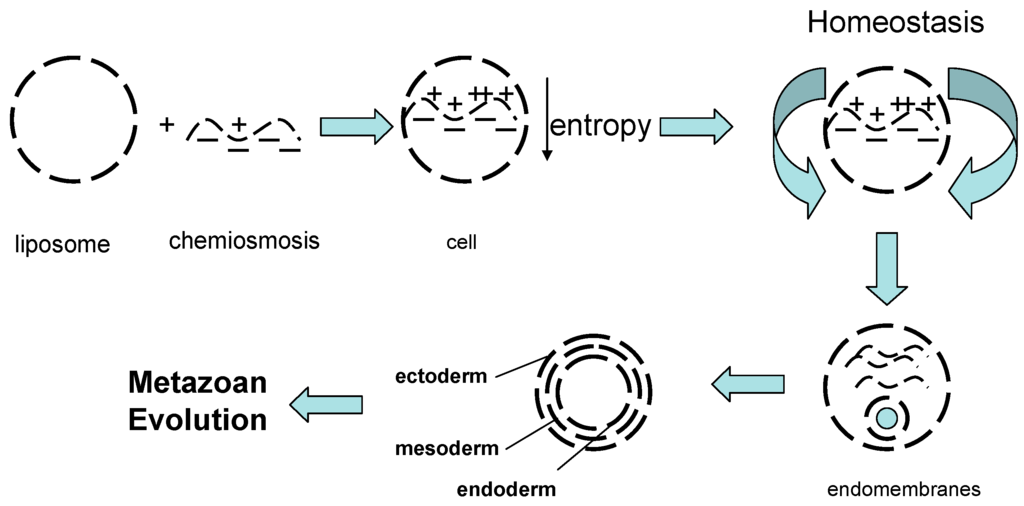
A célula como a primeira construção de nicho

Biology 2016, 5(2), 19; doi:10.3390/biology5020019

Commentary

The Cell as the First Niche Construction

John S. Torday

Evolutionary Medicine, UCLA, Westwood, CA 90502, USA

Academic Editors: Chris O’Callaghan and Jukka Finne

Received: 17 February 2016 / Revised: 14 April 2016 / Accepted: 18 April 2016 / Published: 28 April 2016


Abstract

Niche construction nominally describes how organisms can form their own environments, increasing their capacity to adapt to their surroundings. It is hypothesized that the formation of the first cell as ‘internal’ Niche Construction was the foundation for life, and that subsequent niche constructions were iterative exaptations of that event. The first instantation of niche construction has been faithfully adhered to by returning to the unicellular state, suggesting that the life cycle is zygote to zygote, not adult to adult as is commonly held. The consequent interactions between niche construction and epigenetic inheritance provide a highly robust, interactive, mechanistic way of thinking about evolution being determined by initial conditions rather than merely by chance mutation and selection. This novel perspective offers an opportunity to reappraise the processes involved in evolution mechanistically, allowing for scientifically testable hypotheses rather than relying on metaphors, dogma, teleology and tautology.

Keywords: niche construction; evolution; teleology; epigenetic

This is an open access article distributed under the Creative Commons Attribution License (CC BY) which permits unrestricted use, distribution, and reproduction in any medium, provided the original work is properly cited.

FREE PDF GRATIS: Biology

O surgimento da fisiologia e forma: seleção natural revisitada

Biology 2016, 5(2), 15; doi:10.3390/biology5020015

Commentary

The Emergence of Physiology and Form: Natural Selection Revisited

John S. Torday

Evolutionary Medicine Program, University of California, Los Angeles, CA 90502, USA

Academic Editor: Jukka Finne

Received: 17 February 2016 / Revised: 23 March 2016 / Accepted: 25 March 2016 / Published: 1 April 2016


Abstract

Natural Selection describes how species have evolved differentially, but it is descriptive, non-mechanistic. What mechanisms does Nature use to accomplish this feat? One known way in which ancient natural forces affect development, phylogeny and physiology is through gravitational effects that have evolved as mechanotransduction, seen in the lung, kidney and bone, linking as molecular homologies to skin and brain. Tracing the ontogenetic and phylogenetic changes that have facilitated mechanotransduction identifies specific homologous cell-types and functional molecular markers for lung homeostasis that reveal how and why complex physiologic traits have evolved from the unicellular to the multicellular state. Such data are reinforced by their reverse-evolutionary patterns in chronic degenerative diseases. The physiologic responses of model organisms like Dictyostelium and yeast to gravity provide deep comparative molecular phenotypic homologies, revealing mammalian Target of Rapamycin (mTOR) as the final common pathway for vertical integration of vertebrate physiologic evolution; mTOR integrates calcium/lipid epistatic balance as both the proximate and ultimate positive selection pressure for vertebrate physiologic evolution. The commonality of all vertebrate structure-function relationships can be reduced to calcium/lipid homeostatic regulation as the fractal unit of vertebrate physiology, demonstrating the primacy of the unicellular state as the fundament of physiologic evolution.

Keywords: Natural Selection; mechanotransduction; calcium; lipid; evolution; cell-cell interaction; fractal; ultimate; proximate

This is an open access article distributed under the Creative Commons Attribution License (CC BY) which permits unrestricted use, distribution, and reproduction in any medium, provided the original work is properly cited.

FREE PDF GRATIS: Biology

Herança epigenética e seu papel em biologia evolucionária - reavaliação e novas perspectivas

Biology 2016, 5(2), 24; doi:10.3390/biology5020024

Essay

Epigenetic Inheritance and Its Role in Evolutionary Biology: Re-Evaluation and New Perspectives

Warren Burggren

Department of Biological Sciences, University of North Texas, 1155 Union Circle #305220, Denton, TX 76203-5017, USA

Academic Editors: Chris O'Callaghan, Jukka Finne and John S. Torday

Received: 16 March 2016 / Revised: 26 April 2016 / Accepted: 11 May 2016 / Published: 25 May 2016


Abstract

Epigenetics increasingly occupies a pivotal position in our understanding of inheritance, natural selection and, perhaps, even evolution. A survey of the PubMed database, however, reveals that the great majority (>93%) of epigenetic papers have an intra-, rather than an inter-generational focus, primarily on mechanisms and disease. Approximately ~1% of epigenetic papers even mention the nexus of epigenetics, natural selection and evolution. Yet, when environments are dynamic (e.g., climate change effects), there may be an “epigenetic advantage” to phenotypic switching by epigenetic inheritance, rather than by gene mutation. An epigenetically-inherited trait can arise simultaneously in many individuals, as opposed to a single individual with a gene mutation. Moreover, a transient epigenetically-modified phenotype can be quickly “sunsetted”, with individuals reverting to the original phenotype. Thus, epigenetic phenotype switching is dynamic and temporary and can help bridge periods of environmental stress. Epigenetic inheritance likely contributes to evolution both directly and indirectly. While there is as yet incomplete evidence of direct permanent incorporation of a complex epigenetic phenotype into the genome, doubtlessly, the presence of epigenetic markers and the phenotypes they create (which may sort quite separately from the genotype within a population) will influence natural selection and, so, drive the collective genotype of a population.

Keywords: epigenetics; evolution; inheritance; natural selection; ecology; dynamics; climate change

FREE PDF GRATIS: Biology

Cientistas abrem os Arquivos X do mistério da duplicação e autocorreção do DNA

Direct observation of DNA threading in flap endonuclease complexes

Faizah A AlMalki, Claudia S Flemming, Jing Zhang, Min Feng, Svetlana E Sedelnikova, Tom Ceska, John B Rafferty, Jon R Sayers & Peter J Artymiuk

Affiliations Contributions Corresponding authors

Nature Structural & Molecular Biology (2016) doi:10.1038/nsmb.3241

Received 07 February 2016 Accepted 10 May 2016 Published online 06 June 2016


Abstract

Maintenance of genome integrity requires that branched nucleic acid molecules be accurately processed to produce double-helical DNA. Flap endonucleases are essential enzymes that trim such branched molecules generated by Okazaki-fragment synthesis during replication. Here, we report crystal structures of bacteriophage T5 flap endonuclease in complexes with intact DNA substrates and products, at resolutions of 1.9–2.2 Å. They reveal single-stranded DNA threading through a hole in the enzyme, which is enclosed by an inverted V-shaped helical arch straddling the active site. Residues lining the hole induce an unusual barb-like conformation in the DNA substrate, thereby juxtaposing the scissile phosphate and essential catalytic metal ions. A series of complexes and biochemical analyses show how the substrate's single-stranded branch approaches, threads through and finally emerges on the far side of the enzyme. Our studies suggest that substrate recognition involves an unusual 'fly-casting, thread, bend and barb' mechanism.

Subject terms: DNA synthesis Enzyme mechanisms X-ray crystallography

SUBSCRIPTION OR PAYMENT NEEDED/REQUER ASSINATURA OU PAGAMENTO:

Por um consenso sobre as idades dos genes

sábado, junho 04, 2016

Towards Consensus Gene Ages

Benjamin J. Liebeskind1,2,*, Claire D. McWhite1 and Edward M. Marcotte1

- Author Affiliations

1Center for Systems and Synthetic Biology, Institute for Cellular and Molecular Biology, & Department of Molecular Biosciences, University of Texas at Austin, Austin, TX 78712

2Center for Computational Biology and Bioinformatics, University of Texas at Austin, TX 78712

↵*Author for Correspondence: Benjamin J. Liebeskind, Center for Systems and Synthetic Biology, University of Texas at Austin, Phone: 512-232-3919, Fax: 512-232-3472, Email: bliebeskind@austin.utexas.edu

Received March 6, 2016. Revision received April 18, 2016. Accepted May 1, 2016.


Abstract

Correctly estimating the age of a gene or gene family is important for a variety of fields, including molecular evolution, comparative genomics, and phylogenetics, and increasingly for systems biology and disease genetics. However, most studies use only a point estimate of a gene’s age, neglecting the substantial uncertainty involved in this estimation. Here, we characterize this uncertainty by investigating the effect of algorithm choice on gene-age inference and calculate consensus gene ages with attendant error distributions for a variety of model eukaryotes. We use thirteen orthology inference algorithms to create gene-age datasets and then characterize the error around each age-call on a per-gene and per-algorithm basis. Systematic error was found to be a large factor in estimating gene age, suggesting that simple consensus algorithms are not enough to give a reliable point estimate. We also found that different sources of error can affect downstream analyses, such as gene ontology enrichment. Our consensus gene-age datasets, with associated error terms, are made fully available at so that researchers can propagate this uncertainty through their analyses (geneages.org).

Key words

Ortholog Phylostratigraphy LECA LUCA

© The Author(s) 2016. Published by Oxford University Press on behalf of the Society for Molecular Biology and Evolution.

This is an Open Access article distributed under the terms of the Creative Commons Attribution Non-Commercial License (http://creativecommons.org/licenses/by-nc/4.0/), which permits non-commercial re-use, distribution, and reproduction in any medium, provided the original work is properly cited. For commercial re-use, please contact journals.permissions@oup.com

FREE PDF GRATIS: Genome Biol Evol

Organização celular única: o mais antigo meristema de raiz em um fóssil de 320 milhões de anos

Unique Cellular Organization in the Oldest Root Meristem

Alexander J. Hetherington, Joseph G. Dubrovsky, Liam Dolan correspondence email

Publication stage: In Press Corrected Proof

Open Access


Open access funded by European Research Council


Highlights

• The oldest fossilized root meristem is described from >300-million-year-old soil

• The discovery allows the first description of a fossilized root stem cell niche

• The cellular organization and therefore development of the meristem is unique

• The discovery reveals previously unknown diversity in plant meristem types

Summary

Roots and shoots of plant bodies develop from meristems—cell populations that self-renew and produce cells that undergo differentiation—located at the apices of axes [ 1 ].The oldest preserved root apices in which cellular anatomy can be imaged are found in nodules of permineralized fossil soils called coal balls [ 2 ], which formed in the Carboniferous coal swamp forests over 300 million years ago [ 3–9 ]. However, no fossil root apices described to date were actively growing at the time of preservation [ 3–10 ]. Because the cellular organization of meristems changes when root growth stops, it has been impossible to compare cellular dynamics as stem cells transition to differentiated cells in extinct and extant taxa [ 11 ]. We predicted that meristems of actively growing roots would be preserved in coal balls. Here we report the discovery of the first fossilized remains of an actively growing root meristem from permineralized Carboniferous soil with detail of the stem cells and differentiating cells preserved. The cellular organization of the meristem is unique. The position of the Körper-Kappe boundary, discrete root cap, and presence of many anticlinal cell divisions within a broad promeristem distinguish it from all other known root meristems. This discovery is important because it demonstrates that the same general cellular dynamics are conserved between the oldest extinct and extant root meristems. However, its unique cellular organization demonstrates that extant root meristem organization and development represents only a subset of the diversity that has existed since roots first evolved.

Received: March 18, 2016; Received in revised form: April 21, 2016; Accepted: April 25, 2016; Published: June 2, 2016

© 2016 The Authors. Published by Elsevier Inc.

FREE PDF GRATIS: Current Biology

Bolhas sonoras zunindo em torno do DNA são essenciais à vida: mero acaso, fortuita necessidade ou design inteligente?

Observation of coherent delocalized phonon-like modes in DNA under physiological conditions

Mario González-Jiménez, Gopakumar Ramakrishnan, Thomas Harwood, Adrian J. Lapthorn, Sharon M. Kelly, Elizabeth M. Ellis & Klaas Wynne

AffiliationsContributionsCorresponding author

Nature Communications 7, Article number: 11799 doi:10.1038/ncomms11799

Received 12 February 2016 Accepted 28 April 2016 Published 01 June 2016


Abstract

Underdamped terahertz-frequency delocalized phonon-like modes have long been suggested to play a role in the biological function of DNA. Such phonon modes involve the collective motion of many atoms and are prerequisite to understanding the molecular nature of macroscopic conformational changes and related biochemical phenomena. Initial predictions were based on simple theoretical models of DNA. However, such models do not take into account strong interactions with the surrounding water, which is likely to cause phonon modes to be heavily damped and localized. Here we apply state-of-the-art femtosecond optical Kerr effect spectroscopy, which is currently the only technique capable of taking low-frequency (GHz to THz) vibrational spectra in solution. We are able to demonstrate that phonon modes involving the hydrogen bond network between the strands exist in DNA at physiologically relevant conditions. In addition, the dynamics of the solvating water molecules is slowed down by about a factor of 20 compared with the bulk.

Subject terms: Physical sciences Biophysics Physical chemistry Molecular biology

FREE PDF GRATIS: Nature Communications

Físicos descobrem um número infinito de limites de velocidade quântica

sexta-feira, junho 03, 2016

Generalized Geometric Quantum Speed Limits

Diego Paiva Pires, Marco Cianciaruso, Lucas C. Céleri, Gerardo Adesso, and Diogo O. Soares-Pinto

Phys. Rev. X 6, 021031 – Published 2 June 2016

ABSTRACT

The attempt to gain a theoretical understanding of the concept of time in quantum mechanics has triggered significant progress towards the search for faster and more efficient quantum technologies. One of such advances consists in the interpretation of the time-energy uncertainty relations as lower bounds for the minimal evolution time between two distinguishable states of a quantum system, also known as quantum speed limits. We investigate how the nonuniqueness of a bona fide measure of distinguishability defined on the quantum-state space affects the quantum speed limits and can be exploited in order to derive improved bounds. Specifically, we establish an infinite family of quantum speed limits valid for unitary and nonunitary evolutions, based on an elegant information geometric formalism. Our work unifies and generalizes existing results on quantum speed limits and provides instances of novel bounds that are tighter than any established one based on the conventional quantum Fisher information. We illustrate our findings with relevant examples, demonstrating the importance of choosing different information metrics for open system dynamics, as well as clarifying the roles of classical populations versus quantum coherences, in the determination and saturation of the speed limits. Our results can find applications in the optimization and control of quantum technologies such as quantum computation and metrology, and might provide new insights in fundamental investigations of quantum thermodynamics.

Received 21 July 2015


This article is available under the terms of the Creative Commons Attribution 3.0 License. Further distribution of this work must maintain attribution to the author(s) and the published article’s title, journal citation, and DOI.

Published by the American Physical Society

AUTHORS & AFFILIATIONS

Diego Paiva Pires1,*, Marco Cianciaruso2,3,4,†, Lucas C. Céleri5,‡, Gerardo Adesso2,§, and Diogo O. Soares-Pinto1,∥

1Instituto de Física de São Carlos, Universidade de São Paulo, CP 369, 13560-970 São Carlos, São Paulo, Brazil
2School of Mathematical Sciences, The University of Nottingham, University Park, Nottingham NG7 2RD, United Kingdom
3Dipartimento di Fisica “E. R. Caianiello,” Università degli Studi di Salerno, Via Giovanni Paolo II, I-84084 Fisciano (SA), Italy
4INFN, Sezione di Napoli, Gruppo Collegato di Salerno, I-84084 Fisciano (SA), Italy
5Instituto de Física, Universidade Federal de Goiás, 74.001-970 Goiânia, Goiás, Brazil

*diegopaivapires@gmail.com
†cianciaruso.marco@gmail.com
‡lucas@chibebe.org
§gerardo.adesso@nottingham.ac.uk
∥dosp@ifsc.usp.br

POPULAR SUMMARY

A fundamental question in physics pertains to how fast quantum states evolve. This so-called “quantum speed limit,” which corresponds to the minimum evolution time between two distinguishable states of a quantum system, is an important parameter for designing faster and more optimized information-processing machines. Here, we develop an elegant geometric formalism to provide general progress in the determination of quantum speed limits. This work unifies and improves previous findings and highlights, for the first time, the role of classical populations versus quantum coherences in the saturation of speed limits.

The new family of geometric quantum speed limits presented in this work is applicable to pure and mixed states and to all physical processes, both unitary and nonunitary (e.g., amplitude and phase damping). We express the quantum speed limits in terms of the shortest distance between two states in the quantum state space, according to different measures of distance. For any given dynamical process, the tightest speed limit can be determined by selecting the quantum metric that is most tailored to the initial state of a closed or open system.

Our results, which provide general prescriptions to optimize quantum protocols, pave the way for experimental demonstrations of controlled quantum dynamics operating at the ultimate speed limits using, for example, nuclear magnetic resonance technology. We expect that our findings will have an impact on the fields of quantum information, computation, simulation, and metrology.

FREE PDF GRATIS: Physical Review X

Etapas evolutivas no surgimento da vida deduzida da abordagem Bottom-Up e a hipótese GADV (abordagem Top-Down)

Life 2016, 6(1), 6; doi:10.3390/life6010006

Review

Evolutionary Steps in the Emergence of Life Deduced from the Bottom-Up Approach and GADV Hypothesis (Top-Down Approach)

Kenji Ikehara 1,2

1 G & L Kyosei Institute, Keihannna Labo-401, Hikaridai 1-7, Seika-cho, Sorakugun, Kyoto 619-0237, Japan; Tel./Fax: +81-774-73-4478

2 International Institute for Advanced Studies of Japan, Kizugawadai 9-3, Kizugawa, Kyoto 619-0225, Japan

Academic Editors: David Deamer, Bruce Damer and Niles Lehman

Received: 1 November 2015 / Accepted: 18 January 2016 / Published: 26 January 2016


Abstract

It is no doubt quite difficult to solve the riddle of the origin of life. So, firstly, I would like to point out the kinds of obstacles there are in solving this riddle and how we should tackle these difficult problems, reviewing the studies that have been conducted so far. After that, I will propose that the consecutive evolutionary steps in a timeline can be rationally deduced by using a common event as a juncture, which is obtained by two counter-directional approaches: one is the bottom-up approach through which many researchers have studied the origin of life, and the other is the top-down approach, through which I established the [GADV]-protein world hypothesis or GADV hypothesis on the origin of life starting from a study on the formation of entirely new genes in extant microorganisms. Last, I will describe the probable evolutionary process from the formation of Earth to the emergence of life, which was deduced by using a common event—the establishment of the first genetic code encoding [GADV]-amino acids—as a juncture for the results obtained from the two approaches.

Keywords: origin of life; [GADV]-protein world; GADV hypothesis; pseudo-replication; protein 0th-order structure

FREE PDF GRATIS: Life

Uma estrutura evolucionária para entender a origem dos eucariotos

Biology 2016, 5(2), 18; doi:10.3390/biology5020018

Review

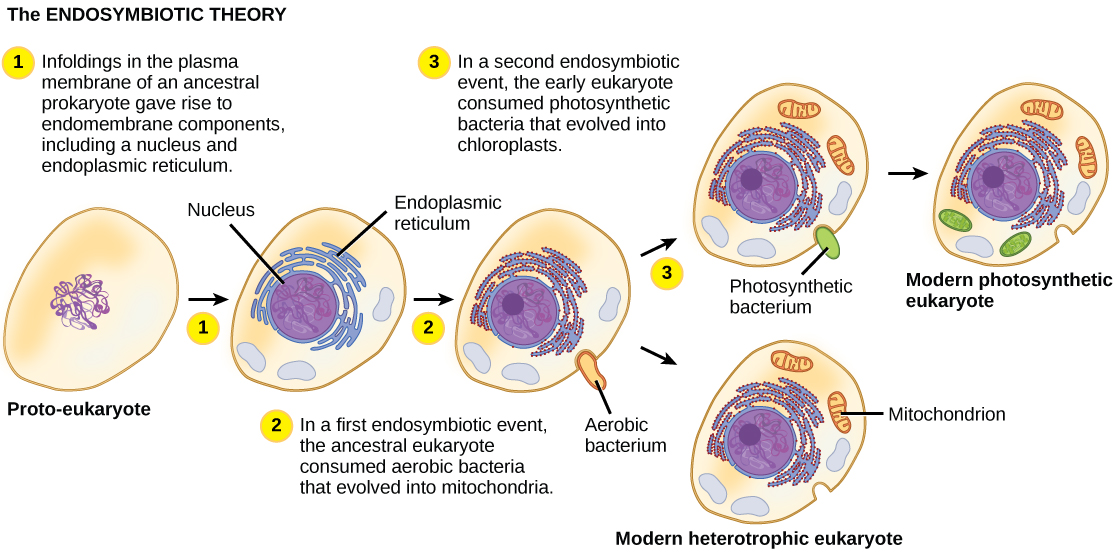
An Evolutionary Framework for Understanding the Origin of Eukaryotes

Neil W. Blackstone

Department of Biological Sciences, Northern Illinois University, DeKalb, IL 60115, USA; Tel.: +1-815-753-7899; Fax: +1-815-753-0461

Academic Editor: John S. Torday

Received: 28 February 2016 / Accepted: 25 April 2016 / Published: 27 April 2016


Abstract: 

Two major obstacles hinder the application of evolutionary theory to the origin of eukaryotes. The first is more apparent than real—the endosymbiosis that led to the mitochondrion is often described as “non-Darwinian” because it deviates from the incremental evolution championed by the modern synthesis. Nevertheless, endosymbiosis can be accommodated by a multi-level generalization of evolutionary theory, which Darwin himself pioneered. The second obstacle is more serious—all of the major features of eukaryotes were likely present in the last eukaryotic common ancestor thus rendering comparative methods ineffective. In addition to a multi-level theory, the development of rigorous, sequence-based phylogenetic and comparative methods represents the greatest achievement of modern evolutionary theory. Nevertheless, the rapid evolution of major features in the eukaryotic stem group requires the consideration of an alternative framework. Such a framework, based on the contingent nature of these evolutionary events, is developed and illustrated with three examples: the putative intron proliferation leading to the nucleus and the cell cycle; conflict and cooperation in the origin of eukaryotic bioenergetics; and the inter-relationship between aerobic metabolism, sterol synthesis, membranes, and sex. The modern synthesis thus provides sufficient scope to develop an evolutionary framework to understand the origin of eukaryotes.

Keywords: comparative method; eukaryotes; evolutionary theory; levels of selection; mitochondria; modern synthesis; phylogenetic systematics

FREE PDF GRATIS: Biology

Evolução química e a origem da vida: uma análise

Chemical Evolution and Origin of Life: A Review

Avnish Kumar Arora*, Vivek Sheel Jaswal, Kuldeep Singh, Raman Singh

Chemistry Department, MMEC, M M University Mullana, Ambala (Haryana), India - 133207

Received on: 3-Mar-2016 Accepted and Published on: 21-Apr-2016


Abstract

Life has evolved approximately 3.7 billion years ago on Earth while the Earth itself was formed some 4.6 billion years ago. So it was the time of 0.9 billion years in which chemical reactions took place and formation of first living cell occurred. There are various views on origin of life. This review discusses and compares these theories with respect to chemical evolution and origin of life.

Keywords: Chemical evolution, Origin of life, metal oxides, clay, cyano complexes

FREE PDF GRATIS: Chemical Biology Letters

+++++

NOTA DESTE BLOGGER:

Para o que foi proposto no artigo - a discussão e comparação das teorias de evolução química, os autores usaram pesquisas de 20-30 anos atrás, deixa muito a desejar em termos de atualização na literatura especializada!!!

Nanoestruturas inspiradas em borboletas podem classificar a luz: mas design na natureza é ilusão...

quinta-feira, junho 02, 2016

Biomimetic gyroid nanostructures exceeding their natural origins

Zongsong Gan1, Mark D. Turner1 and Min Gu1,2,3,*

+ Author Affiliations

↵*Corresponding author. Email: min.gu@rmit.edu.au

Science Advances 13 May 2016:

Vol. 2, no. 5, e1600084


Abstract

Using optical two-beam lithography with improved resolution and enhanced mechanical strength, we demonstrate the replication of gyroid photonic nanostructures found in the butterfly Callophrys rubi. These artificial structures are shown to have size, controllability, and uniformity that are superior to those of their biological counterparts. In particular, the elastic Young’s modulus of fabricated nanowires is enhanced by up to 20%. As such, the circular dichroism enabled by the gyroid nanostructures can operate in the near-ultraviolet wavelength region, shorter than that supported by the natural butterfly wings of C. rubi. This fabrication technique provides a unique tool for extracting three-dimensional photonic designs from nature and will aid the investigation of biomimetic nanostructures.

Keywords Gyroid nano-structures  optical two-beam lithography biomimetics mechanical strength circular dichroism

Copyright © 2016, The Authors

This is an open-access article distributed under the terms of the Creative Commons Attribution-NonCommercial license, which permits use, distribution, and reproduction in any medium, so long as the resultant use is not for commercial advantage and provided the original work is properly cited.

FREE PDF GRATIS: Science Advances

+++++

PERGUNTA DESTE BLOGGER:

Ué, procurando design, finalidade na natureza? Mas o Dawkins não disse que o design encontrado na natureza é ilusão? E não dizem também que Darwin eliminou a teleologia da Biologia de uma vez por todas??? Então por que procurar design numa ilusão? Por que buscar finalidade, se não existe isso na natureza???

Fui, nem sei por que, pensando que a rejeição de design na ciência se dá muito mais por razões subjetivas/ideológicas do que realmente uma rejeição científica.