Matemáticos finalmente descobriram um elusivo azulejo 'einstein'.

quinta-feira, março 30, 2023

An aperiodic monotile

David Smith, Joseph Samuel Myers, Craig S. Kaplan, Chaim Goodman-Strauss

Image/Imagem: Science News


A longstanding open problem asks for an aperiodic monotile, also known as an "einstein": a shape that admits tilings of the plane, but never periodic tilings. We answer this problem for topological disk tiles by exhibiting a continuum of combinatorially equivalent aperiodic polygons. We first show that a representative example, the "hat" polykite, can form clusters called "metatiles", for which substitution rules can be defined. Because the metatiles admit tilings of the plane, so too does the hat. We then prove that generic members of our continuum of polygons are aperiodic, through a new kind of geometric incommensurability argument. Separately, we give a combinatorial, computer-assisted proof that the hat must form hierarchical -- and hence aperiodic -- tilings.

FREE PDF GRATIS: arXiv

+++++

"einstein": is a 13-sided shape called ‘the hat’ forms a pattern that never repeats/é uma configuração de 13 lados chamada 'o chapéu' formando um padrão que nunca se repete.


Nanomotores biológicos rotativos: mero acaso, fortuita necessidade ou design inteligente?

sábado, março 25, 2023

Front. Microbiol., 21 September 2022

Sec. Microbial Physiology and Metabolism

Volume 13 - 2022 | https://doi.org/10.3389/fmicb.2022.1012681


Editorial: Biological rotary nanomotors

Michael D. Manson1*, Beiyan Nan1, Pushkar P. Lele2, Jun Liu3 and Thomas M. Duncan4

1Department of Biology, Texas A&M University, College Station, TX, United States

2Artie McFerrin Department of Chemical Engineering, Texas A&M University, College Station, TX, United States

3Microbial Sciences Institute, Department of Microbial Pathogenesis, Yale University, New Haven, CT, United States

4Department of Biochemistry & Molecular Biology, Upstate Medical University, Syracuse, NY, United States

Editorial on the Research Topic

Biological rotary nanomotors

This Research Topic of 20 review articles covers the incredible variety of molecular rotary nanomachines that have evolved over billions of years. The details of their molecular mechanisms are well-known for the Bacterial Flagellar Motor (BFM) and FoF1 ATP synthase/ATPase. They are inferred by analogy to the BFM for others: the 5:2 motors of gliding bacteria and the 5:2 motors of the Ton and Tol systems that govern events at the outer membrane of gram-negative bacteria. All of these systems couple a transmembrane ion motive force to useful work. Two additional articles consider the unique propulsion generator of the Archaea, the archaellum, which appears to be driven entirely by ATP hydrolysis and has an evolutionary history completely independent of those for the 5:2 motors and FoF1.

This Research Topic originated with Mike Manson, who was inspired by the recently published structures of 5:2 rotary motors and the desire to create a fitting tribute to Howard Berg, who introduced rotary motors into biology. The effort was augmented by recruitment of Tom Duncan, Pushkar Lele, Jun Liu, and Beiyan Nan, who possess the expertise to select the authors best able to tell the story of rotary nanomotors and to edit their contributions.

The Research Topic has six sections. The first two chapters serve as an introduction to the history, structure, and energetics of rotary motors driven by an ion motive force. The second of these provides a detailed consideration of the structure of 5:2 rotary motors and how their function and energetics compare with the Fo motor of ATP synthases, which has a gearing ratio ranging from 8:1 to 15:1 in different species. The next seven articles provide detailed reviews about different aspects and incarnations of BFMs. The following two articles discuss the function of ion-powered motors in gliding bacteria, which do not depend on flagella. Next, two reviews cover the Exb/Ton and Tol/Pal systems, both of which are driven by 5:2-type motors. As a segue into the FoF1 motors that drive ATP synthesis, the next two articles cover the archaellum, a helical propeller like the bacterial flagellum, but one driven by ATP hydrolysis rather than an ion motive force and possessing a completely different evolutionary trajectory. The last five articles review different aspects of what is known about the FoF1 ATP synthase, a crucial and ubiquitous energy-transducing enzyme that couples two rotary motor devices.

The editors thank all 49 authors who generously agreed to put their collective knowledge about rotary nanomotors into words. They represent the leading research groups worldwide studying rotary molecular machines. The positive responses to our invitations were doubtless aided by the recognition that this was a tribute to the visionary insight of Howard Berg, whose paper with Robert Anderson in 1973 first declared that “Bacteria Swim by Rotating Helical Filaments.”

We hoped that Howard would write an introduction to this Research Topic. Unfortunately, he passed away on December 30, 2021, just as it became clear that our vision was going to become reality. That sad event adds both poignancy and timeliness to this Research Topic. We also want to thank the four editors who supplemented the efforts of the five designated guest editors mentioned above and the 33 reviewers who, together with the guest editors, ensured that everything presented in the reviews was as clear, complete, and accurate as possible.

We hope this Research Topic serves as a fitting tribute to Howard Berg, the unconventional intellect whose insight ushered in an entire field of molecular biophysics: the study of rotary molecular motors. Savor what is presented here and anticipate the new revelations which doubtless await in the coming years.

FREE FULL SPECIAL ISSUE/EDIÇAO ESPECIAL GRÁTIS: Frontiers in Microbiology

Controlando a sinalização periódica de longo alcance para conduzir uma transição morfogenética: mero acaso, fortuita necessidade ou design inteligente?

quinta-feira, março 23, 2023

Controlling periodic long-range signalling to drive a morphogenetic transition

Hugh Z Ford, Angelika Manhart, Jonathan R Chubb 

Laboratory for Molecular Cell Biology and Department of Cell and Developmental Biology, University College London, United Kingdom; Department of Mathematics, University College London, United Kingdom; Faculty of Mathematics, University of Vienna, Austria

Mar 1, 2023

https://doi.org/10.7554/eLife.83796 

Image/Imagem: Spiral tip circulation and spiral wave progression.

Abstract

Cells use signal relay to transmit information across tissue scales. However, the production of information carried by signal relay remains poorly characterised. To determine how the coding features of signal relay are generated, we used the classic system for long-range signalling: the periodic cAMP waves that drive Dictyostelium collective migration. Combining imaging and optogenetic perturbation of cell signalling states, we find that migration is triggered by an increase in wave frequency generated at the signalling centre. Wave frequency is regulated by cAMP wave circulation, which organises the long-range signal. To determine the mechanisms modulating wave circulation, we combined mathematical modelling, the general theory of excitable media, and mechanical perturbations to test competing models. Models in which cell density and spatial patterning modulate the wave frequency cannot explain the temporal evolution of signalling waves. Instead, our evidence leads to a model where wave circulation increases the ability for cells to relay the signal, causing further increase in the circulation rate. This positive feedback between cell state and signalling pattern regulates the long-range signal coding that drives morphogenesis.

Editor's evaluation

This fundamental work substantially advances our understanding of how multicellular structures transmit information over long ranges. Compelling approaches combining experiments and theory unravel the mechanism by which amoeba form migrating cellular waves by chemotaxis. The work will be of broad interest to cell and developmental biologists.

https://doi.org/10.7554/eLife.83796.sa0

FREE PDF GRATIS: eLife

Darwin, nós tivemos um problema: as ilusões da Síntese Moderna!

terça-feira, março 21, 2023

The Illusions of the Modern Synthesis

Denis Noble 

Biosemiotics volume 14, pages5–24 (2021)


Image/Imagem: The Guardian

Abstract

The Modern Synthesis has dominated biology for 80 years. It was formulated in 1942, a decade before the major achievements of molecular biology, including the Double Helix and the Central Dogma. When first formulated in the 1950s these discoveries and concepts seemed initially to completely justify the central genetic assumptions of the Modern Synthesis. The Double Helix provided the basis for highly accurate DNA replication, while the Central Dogma was viewed as supporting the Weismann Barrier, so excluding the inheritance of acquired characteristics. This article examines the language of the Modern Synthesis and reveals that it is based on four important misinterpretations of what molecular biology had shown, so forming the basis of the four Illusions: 1. Natural Selection; 2. The Weismann Barrier; 3. The Rejection of Darwin’s Gemmules; 4. The Central Dogma. A multi-level organisation view of biology avoids these illusions through the principle of biological relativity. Molecular biology does not therefore confirm the assumptions of the Modern Synthesis.

FREE PDF GRATIS: Biosemiotics

O que há de errado com a causalidade evolutiva?

segunda-feira, março 20, 2023

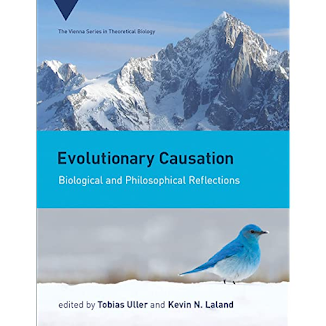
What’s Wrong with Evolutionary Causation?

Jan Baedke 

Acta Biotheoretica volume 69, pages79–89 (2021)

Image/Imagem: MIT Press


Abstract

This review essay reflects on recent discussions in evolutionary biology and philosophy of science on the central causes of evolution and the structure of causal explanations in evolutionary theory. In this debate, it has been argued that our view of evolutionary causation should be rethought by including more seriously developmental causes and causes of the individual acting organism. I use Tobias Uller’s and Kevin Laland’s volume Evolutionary Causation as well as recent reviews of it as a starting point to reflect on the causal role of agency, individuality, and the environment in evolution. In addition, I critically discuss classical philosophical frameworks of theory change (i.e. Popper’s, Kuhn’s and Lakatos’) used in this debate to understand changing views of evolutionary causation.

FREE PDF GRATIS: Acta Biotheoretic

A síntese evolutiva estendida acarreta poder explicativo ampliado?

Does the extended evolutionary synthesis entail extended explanatory power?

volume
35, Article number: 20 (2020)


Abstract

Biologists and philosophers of science have recently called for an extension of evolutionary theory. This so-called ‘extended evolutionary synthesis’ (EES) seeks to integrate developmental processes, extra-genetic forms of inheritance, and niche construction into evolutionary theory in a central way. While there is often agreement in evolutionary biology over the existence of these phenomena, their explanatory relevance is questioned. Advocates of EES posit that their perspective offers better explanations than those provided by ‘standard evolutionary theory’ (SET). Still, why this would be the case is unclear. Usually, such claims assume that EES’s superior explanatory status arises from the pluralist structure of EES, its different problem agenda, and a growing body of evidence for the evolutionary relevance of developmental phenomena (including developmental bias, inclusive inheritance, and niche construction). However, what is usually neglected in this debate is a discussion of what the explanatory standards of EES actually are, and how they differ from prevailing standards in SET. In other words, what is considered to be a good explanation in EES versus SET? To answer this question, we present a theoretical framework that evaluates the explanatory power of different evolutionary explanations of the same phenomena. This account is able to identify criteria for why and when evolutionary explanations of EES are better than those of SET. Such evaluations will enable evolutionary biology to find potential grounds for theoretical integration.


FREE PDF GRATIS: Biology & Philosophy

Colocando a inferência à melhor explicação no contexto.

terça-feira, fevereiro 28, 2023

Putting inference to the best explanation into context

Leah Henderson

University of Groningen, Oude Boteringestraat 52, Groningen, 9712 GL, the Netherlands

Available online 1 July 2022, Version of Record 1 July 2022.

https://doi.org/10.1016/j.shpsa.2022.06.009 

Image/Imagem

Abstract

It is often assumed that Inference to the Best Explanation, or ‘IBE’, belongs to the context of justification. But several recent developments might lead one to ask whether it is more appropriate to situate it in the context of pursuit. Peircean abduction, which has been designated as an immediate precursor to IBE, is, according to recent scholarship, best located in the context of discovery and pursuit, rather than justification. Furthermore, alleged difficulties in reconciling IBE with Bayesianism have led to a proposal for giving IBE a non-justificatory role, which is close to that of pursuit. I argue, however, that these considerations do not make a strong case for locating IBE in the context of pursuit. Although abduction plays an important role in the context of pursuit, IBE is not simply a renaming of abduction. It has been reconceptualised in a way which makes it unsuitable to operate in the context of pursuit. Considerations concerning the compatibility between IBE and Bayesianism also do not give strong grounds to locate IBE outside the context of justification. This is because we should not expect that the context of justification can be characterised in purely probabilistic terms. Thus IBE should continue to be regarded as a candidate for characterising epistemic appraisal in the context of justification.

Keywords Inference to the best explanationAbductionPeirceContext of justificationContext of pursuit

FREE PDF GRATIS: Studies in History and Philosophy of Science

Inerência e agência na origem e evolução das funções biológicas

sexta-feira, fevereiro 24, 2023

Inherency and agency in the origin and evolution of biological functions 

Stuart A Newman

Biological Journal of the Linnean Society

https://doi.org/10.1093/biolinnean/blac109

Published: 14 September 2022


Image/Imagem

Abstract

Although discussed by 20th century philosophers in terms drawn from the sciences of non-living systems, in recent decades biological function has been considered in relationship to organismal capability and purpose. Bringing two phenomena generally neglected in evolutionary theory (i.e. inherency and agency) to bear on questions of function leads to a rejection of the adaptationist ‘selected effects’ notion of biological function. I review work showing that organisms such as the placozoans can thrive with almost no functional embellishments beyond those of their constituent cells and physical properties of their simple tissues. I also discuss work showing that individual tissue cells and their artificial aggregates exhibit agential behaviours that are unprecedented in the histories of their respective lineages. I review findings on the unique metazoan mechanism of developmental gene expression that has recruited, during evolution, inherent ancestral cellular functionalities into specialized cell types and organs of the different animal groups. I conclude that most essential functions in animal species are inherent to the cells from which they evolved, not selected effects, and that many of the others are optional ‘add-ons’, a status inimical to fitness-based models of evolution positing that traits emerge from stringent cycles of selection to meet external challenges.

Key words adaptationism, biobots, causal role, cell types, fitness, function, appropriation engine, niche construction, placozoans, selected effects

FREE PDF GRATIS: Biological Journal of the Linnean Society

Definindo o cenário geológico para a origem da vida e as questões em aberto contínuas sobre seu surgimento

domingo, fevereiro 19, 2023

Setting the geological scene for the origin of life and continuing open questions about its emergence

Frances Westall 1*, André Brack 1, Alberto G. Fairén 2,3 and Mitchell D. Schulte 4

1Centre de Biophysique Moléculaire, CNRS, Orléans, France
2Centro de Astrobiología (CAB, CSIC-INTA), Madrid, Spain
3Cornell University, Ithaca, NY, United States
4NASA Headquarters, Washington, DC, United States


Image/Imagem: eos.org

Abstract

The origin of life is one of the most fundamental questions of humanity. It has been and is still being addressed by a wide range of researchers from different fields, with different approaches and ideas as to how it came about. What is still incomplete is constrained information about the environment and the conditions reigning on the Hadean Earth, particularly on the inorganic ingredients available, and the stability and longevity of the various environments suggested as locations for the emergence of life, as well as on the kinetics and rates of the prebiotic steps leading to life. This contribution reviews our current understanding of the geological scene in which life originated on Earth, zooming in specifically on details regarding the environments and timescales available for prebiotic reactions, with the aim of providing experimenters with more specific constraints. Having set the scene, we evoke the still open questions about the origin of life: did life start organically or in mineralogical form? If organically, what was the origin of the organic constituents of life? What came first, metabolism or replication? What was the time-scale for the emergence of life? We conclude that the way forward for prebiotic chemistry is an approach merging geology and chemistry, i.e., far-from-equilibrium, wet-dry cycling (either subaerial exposure or dehydration through chelation to mineral surfaces) of organic reactions occurring repeatedly and iteratively at mineral surfaces under hydrothermal-like conditions.

A Síntese Evolutiva Estendida: o que é o debate e como pode ser o sucesso dos que querem sua extensão

quarta-feira, fevereiro 15, 2023

The Extended Evolutionary Synthesis: what is the debate about, and what might success for the extenders look like? 

Tim Lewens

Biological Journal of the Linnean Society, Volume 127, Issue 4, August 2019, Pages 707–721, https://doi.org/10.1093/biolinnean/blz064

Published: 21 May 2019


Abstract

Debate over the Extended Evolutionary Synthesis (EES) ranges over three quite different domains of enquiry. Protagonists are committed to substantive positions regarding (1) empirical questions concerning (for example) the properties and prevalence of systems of epigenetic inheritance; (2) historical characterizations of the modern synthesis; and (3) conceptual/philosophical matters concerning (among other things) the nature of evolutionary processes, and the relationship between selection and adaptation. With these different aspects of the debate in view, it is possible to demonstrate the range of cross-cutting positions on offer when well-informed evolutionists consider their stance on the EES. This overview of the multiple dimensions of debate also enables clarification of two philosophical elements of the EES debate, regarding the status of niche-construction and the role of selection in explaining adaptation. Finally, it points the way to a possible resolution of the EES debate, via a pragmatic approach to evolutionary enquiry.

Key words Darwin, evolution, modern synthesis, neoDarwinism

FREE PDF GRATIS: Biological Journal of the Linnean Society

Dimensões do elétron

Electron Dimensions

Relly Victoria Virgil Petrescu1, Raffaella Aversa2, Shuhui Li3, Ronald Bucinell4, Samuel P. Kozaitis5, Taher M. Abu-Lebdeh6, Antonio Apicella2 and Florian Ion Tiberiu Petrescu1

1 Bucharest Polytechnic University, Romania

2 Second University of Naples, Italy

3 University of Alabama, United States

4 Union College, United States

5 Florida Institute of Technology, United States

6 North Carolina A and T State University, United States


Imagem/Image

Abstract

In this study, the theoretical principles necessary to determine the exact magnitude of a moving electron, depending on the speed of movement, will be exposed. The equations are specifically discussed to determine the radius R of the moving electron, which refers to the electron movement velocity v and the resting mass m0. The mechanical moment of inertia of a sphere around one of its diameters is determined by the relationship between the total kinetic energy of a moving electron as the sum of the two components (translatable and rotating). Using the theory of Louis de Broglie, which shows impulse preservation, the wavelength (associated with the particle) was calculated. The wave frequency (associated with the moving electron) was determined and the moving electron kinetic energy was estimated by decreasing the total resting energy of the electron from the total energy of the moving electrons.

FREE PDF GRATIS: American Journal of Engineering and Applied Sciences

Mais uma evidência de preservação bioquímica óssea endógena em espécime de Tyrannosaurus rex

sábado, fevereiro 11, 2023

 Independent Evidence for the Preservation of Endogenous Bone Biochemistry in a Specimen of Tyrannosaurus rex

by Jennifer Anné 1,*,Aurore Canoville 2,Nicholas P. Edwards 3ORCID,Mary H. Schweitzer 4,5,6 andLindsay E. Zanno 4,5

1 The Children’s Museum of Indianapolis, Indianapolis, IN 46208, USA

2 Stiftung Schloss Friedenstein Gotha, 99867 Gotha, Germany

3 Stanford Synchrotron Radiation Light Source, SLAC National Accelerator Laboratory, Menlo Park, CA 94025, USA

4 Department of Biological Sciences, Campus Box 7617, North Carolina State University, Raleigh, NC 27695, USA

5 Paleontology, North Carolina Museum of Natural Sciences, 11 W. Jones St., Raleigh, NC 27601, USA

6 Department of Geology, Lund University, Sölvegatan 12, 223 62 Lund, Sweden

* Author to whom correspondence should be addressed.

Biology 2023, 12(2), 264; https://doi.org/10.3390/biology12020264

Received: 29 December 2022 / Revised: 3 February 2023 / Accepted: 4 February 2023 / Published: 7 February 2023

(This article belongs to the Special Issue Paleontology in the 21st Century)

The Tyrannosaurus rex fossil known as Stan is displayed in a gallery at Christie’s auction house in New York City on September 17, 2020.

Photograph by Spencer Platt, Getty Images

Simple Summary

Our understanding of what can preserve in the fossil record, and for how long, is constantly evolving with the use of new scientific techniques and exceptional fossil discoveries. In this study, we examine the state of preservation of a Tyrannosaurus rex that died about 66 million years ago. This specimen has previously been studied using a number of advanced methods, all of which have indicated preservation of original soft tissues and bone biomolecules. Here, we use synchrotron—a type of particle accelerator—analyses to generate data identifying and quantifying elements that constitute this fossil bone. We show that trace elements incorporated by the living animal during bone deposition and remodeling, such as zinc, are preserved in the fossil bone in a pattern similar to what is seen in modern bird bones. This pattern is not observed in a microscopically well preserved, but molecularly more degraded dinosaur, a herbivorous Tenontosaurus. These data further support the preservation of original biological material in this T. rex, suggesting new possibilities for deciphering extinct species life histories. This study also highlights that preservation of original biochemistry in fossils is specimen-specific and cannot be determined by pristine appearance alone.

Abstract

Biomolecules preserved in deep time have potential to shed light on major evolutionary questions, driving the search for new and more rigorous methods to detect them. Despite the increasing body of evidence from a wide variety of new, high resolution/high sensitivity analytical techniques, this research is commonly met with skepticism, as the long standing dogma persists that such preservation in very deep time (>1 Ma) is unlikely. The Late Cretaceous dinosaur Tyrannosaurus rex (MOR 1125) has been shown, through multiple biochemical studies, to preserve original bone chemistry. Here, we provide additional, independent support that deep time bimolecular preservation is possible. We use synchrotron X-ray fluorescence imaging (XRF) and X-ray absorption spectroscopy (XAS) to investigate a section from the femur of this dinosaur, and demonstrate preservation of elements (S, Ca, and Zn) associated with bone remodeling and redeposition. We then compare these data to the bone of an extant dinosaur (bird), as well as a second non-avian dinosaur, Tenontosaurus tilletti (OMNH 34784) that did not preserve any sign of original biochemistry. Our data indicate that MOR 1125 bone cortices have similar bone elemental distributions to that of an extant bird, which supports preservation of original endogenous chemistry in this specimen.

Keywords: synchrotron; bone remodeling; elemental analysis; molecular paleontology; diagenetic alteration

FREE PDF GRATIS: Biology

Progresso científico: por quem ou para quem?

quinta-feira, fevereiro 09, 2023

 Scientific progress: By-whom or for-whom?

Finnur Dellsén a b

a University of Iceland, Iceland

b Inland Norway University of Applied Sciences, Norway

Received 20 September 2022, Revised 24 October 2022, Available online 8 December 2022, Version of Record 8 December 2022.

https://doi.org/10.1016/j.shpsa.2022.11.006  

Abstract

When science makes cognitive progress, who or what is it that improves in the requisite way? According to a widespread and unchallenged assumption, it is the cognitive attitudes of scientists themselves, i.e. the agents by whom scientific progress is made, that improve during progressive episodes. This paper argues against this assumption and explores a different approach. Scientific progress should be defined in terms of potential improvements to the cognitive attitudes of those for whom progress is made, i.e. the receivers rather than the producers of scientific information. This includes not only scientists themselves, but also various other individuals who utilize scientific information in different ways for the benefit of society as a whole.

FREE PDF GRATIS: Studies in History and Philosophy of Science

Procurando o mundo RNA em Marte

sábado, janeiro 28, 2023

In search of the RNA world on Mars

Angel Mojarro, Lin Jin, Jack W. Szostak, James W. Head III, Maria T. Zuber

First published: 10 February 2021

https://doi.org/10.1111/gbi.12433


 Image/Imagem: The Scientist

Abstract

Advances in origins of life research and prebiotic chemistry suggest that life as we know it may have emerged from an earlier RNA World. However, it has been difficult to reconcile the conditions used in laboratory experiments with real-world geochemical environments that may have existed on the early Earth and hosted the origin(s) of life. This challenge is due to geologic resurfacing and recycling that have erased the overwhelming majority of the Earth's prebiotic history. We therefore propose that Mars, a planet frozen in time, comprised of many surfaces that have remained relatively unchanged since their formation > 4 Gya, is the best alternative to search for environments consistent with geochemical requirements imposed by the RNA world. In this study, we synthesize in situ and orbital observations of Mars and modeling of its early atmosphere into solutions containing a range of pHs and concentrations of prebiotically relevant metals (Fe2+, Mg2+, and Mn2+) spanning various candidate aqueous environments. We then experimentally determine RNA degradation kinetics due to metal-catalyzed hydrolysis (cleavage) and evaluate whether early Mars could have been permissive toward the accumulation of long-lived RNA polymers. Our results indicate that a Mg2+-rich basalt sourcing metals to a slightly acidic (pH 5.4) environment mediates the slowest rates of RNA cleavage, though geologic evidence and basalt weathering models suggest aquifers on Mars would be near neutral (pH ~ 7). Moreover, the early onset of oxidizing conditions on Mars has major consequences regarding the availability of oxygen-sensitive metals (i.e., Fe2+ and Mn2+) due to increased RNA degradation rates and precipitation. Overall, (a) low pH decreases RNA cleavage at high metal concentrations; (b) acidic to neutral pH environments with Fe2+ or Mn2+ cleave more RNA than Mg2+; and (c) alkaline environments with Mg2+ dramatically cleaves more RNA while precipitates were observed for Fe2+ and Mn2+.

FREE PDF GRATIS: Geobiology

Organização do genoma em 3D: mero acaso, fortuita necessidade ou design inteligente?

quinta-feira, janeiro 12, 2023

3D genome organization

volume
12, Article number: 22106 (2022) 

Por uma teoria de engenharia da evolução - design inteligente?

terça-feira, janeiro 10, 2023

Towards an engineering theory of evolution

Simeon D. Castle, Claire S. Grierson & Thomas E. Gorochowski 

Nature Communications volume 12, Article number: 3326 (2021)


Image/Imagem

Abstract

Biological technologies are fundamentally unlike any other because biology evolves. Bioengineering therefore requires novel design methodologies with evolution at their core. Knowledge about evolution is currently applied to the design of biosystems ad hoc. Unless we have an engineering theory of evolution, we will neither be able to meet evolution’s potential as an engineering tool, nor understand or limit its unintended consequences for our biological designs. Here, we propose the evotype as a helpful concept for engineering the evolutionary potential of biosystems, or other self-adaptive technologies, potentially beyond the realm of biology.

FREE PDF GRATIS: Nature Communications

Projetando com DNA: Por que buscar design na natureza se isso é uma ilusão?

quinta-feira, dezembro 29, 2022

Automated design of 3D DNA origami with non-rasterized 2D curvature

Daniel Fu, Raghu Pradeep Narayanan, Abhay Prasad, Fei Zhang, Dewight Williams, John S. Schreck, Hao Yan, and John Reif

SCIENCE ADVANCES 23 Dec 2022 Vol 8, Issue 51 DOI: 10.1126/sciadv.ade4455


Image/Imagem

Abstract

Improving the precision and function of encapsulating three-dimensional (3D) DNA nanostructures via curved geometries could have transformative impacts on areas such as molecular transport, drug delivery, and nanofabrication. However, the addition of non-rasterized curvature escalates design complexity without algorithmic regularity, and these challenges have limited the ad hoc development and usage of previously unknown shapes. In this work, we develop and automate the application of a set of previously unknown design principles that now includes a multilayer design for closed and curved DNA nanostructures to resolve past obstacles in shape selection, yield, mechanical rigidity, and accessibility. We design, analyze, and experimentally demonstrate a set of diverse 3D curved nanoarchitectures, showing planar asymmetry and examining partial multilayer designs. Our automated design tool implements a combined algorithmic and numerical approximation strategy for scaffold routing and crossover placement, which may enable wider applications of general DNA nanostructure design for nonregular or oblique shapes.

FREE PDF GRATIS: Science Advances

Sobre a origem química da cognição biológica: mero acaso, fortuita necessidade ou design inteligente?

terça-feira, dezembro 27, 2022

On the Chemical Origin of Biological Cognition

by Robert Pascal 1 and Addy Pross 2,*

1 Laboratoire de Physique des Interactions Ioniques et Moléculaires (PIIM), Aix-Marseille Université—CNRS, 13013 Marseille, France

2 Department of Chemistry, Ben-Gurion University of the Negev, Be’er-Sheva 8410501, Israel *

Author to whom correspondence should be addressed.

Life 2022, 12(12), 2016; https://doi.org/10.3390/life12122016

Received: 13 October 2022 / Revised: 21 November 2022 / Accepted: 1 December 2022 / Published: 3 December 2022

(This article belongs to the Special Issue The Origin and Early Evolution of Life: Prebiotic Chemistry Perspective)


Abstract

One of life’s most striking characteristics is its mental dimension, one whose very existence within a material system has long been a deep scientific mystery. Given the current scientific view that life emerged from non-life, how was it possible for ‘dead’ matter to have taken on mental capabilities? In this Perspective we describe the existence of a recently discovered non-equilibrium state of matter, an energized dynamic kinetic state, and demonstrate how particular chemical systems once activated into that kinetic state could manifest rudimentary cognitive behavior. Thus, contrary to a common view that biology is not reducible to physics and chemistry, recent findings in both chemistry and biology suggest that life’s mental state is an outcome of its physical state, and therefore may be explicable in physical/chemical terms. Such understanding offers added insight into the physico-chemical process by which life was able to emerge from non-life and the perennial ‘what is life?’ question. Most remarkably, it appears that Darwin, through his deep understanding of the evolutionary process, already sensed the existence of a connection between life’s physical and mental states.

Keywords: origin of life; dynamic kinetic stability; thermodynamic stability; cognition; molecular replication; evolution; consciousness

FREE PDF GRATIS: Life

O que faltou ser considerado? A macroevolução como entendida classicamente...

segunda-feira, dezembro 26, 2022

Towards evolutionary predictions: Current promises and challenges

Meike T. Wortel, Deepa Agashe, Susan F. Bailey, Claudia Bank, Karen Bisschop, Thomas Blankers, Johannes Cairns, Enrico Sandro Colizzi, Davide Cusseddu, Michael M. Desai et al 

First published: 09 December 2022

https://doi.org/10.1111/eva.13513


Abstract

Evolution has traditionally been a historical and descriptive science, and predicting future evolutionary processes has long been considered impossible. However, evolutionary predictions are increasingly being developed and used in medicine, agriculture, biotechnology and conservation biology. Evolutionary predictions may be used for different purposes, such as to prepare for the future, to try and change the course of evolution or to determine how well we understand evolutionary processes. Similarly, the exact aspect of the evolved population that we want to predict may also differ. For example, we could try to predict which genotype will dominate, the fitness of the population or the extinction probability of a population. In addition, there are many uses of evolutionary predictions that may not always be recognized as such. The main goal of this review is to increase awareness of methods and data in different research fields by showing the breadth of situations in which evolutionary predictions are made. We describe how diverse evolutionary predictions share a common structure described by the predictive scope, time scale and precision. Then, by using examples ranging from SARS-CoV2 and influenza to CRISPR-based gene drives and sustainable product formation in biotechnology, we discuss the methods for predicting evolution, the factors that affect predictability and how predictions can be used to prevent evolution in undesirable directions or to promote beneficial evolution (i.e. evolutionary control). We hope that this review will stimulate collaboration between fields by establishing a common language for evolutionary predictions.

FREE PDF GRATIS: Evolutionary Applications Supporting Information

A biologia de sistemas é o estudo da engenharia de sistemas: igual ou superior ao da NASA?

domingo, dezembro 11, 2022

Jan. 27, 2020

NASA Systems Engineering Handbook

Revision 2


In 1995, the NASA Systems Engineering Handbook (NASA/SP-6105) was initially published to bring the fundamental concepts and techniques of systems engineering to the National Aeronautics and Space Administration (NASA) personnel in a way that recognized the nature of NASA systems and the NASA environment. Since its initial writing and its revision in 2007 (Rev 1), systems engineering as a discipline at NASA has undergone rapid and continued evolution. This revision (Rev 2) of the Handbook maintains that original philosophy while updating the Agency’s systems engineering body of knowledge, providing guidance for insight into current best Agency practices, and maintaining the alignment of the Handbook with the Agency’s systems engineering policy.

The update of this Handbook continues the methodology of the previous revision: a top-down compatibility with higher-level Agency policy and a bottom-up infusion of guidance from the NASA practitioners in the field. This approach provides the opportunity to obtain best practices from across NASA and bridge the information to the established NASA systems engineering processes and to communicate principles of good practice as well as alternative approaches rather than specify a particular way to accomplish a task. The result embodied in this Handbook is a top-level implementation approach on the practice of systems engineering unique to NASA.

› Kindle readers: NASA Systems Engineering Handbook - Rev 2 MOBI‌ [7.1 MB]

› All other eBook readers: NASA Systems Engineering Handbook - Rev 2 EPUB [3.5 MB]

› Fixed layout: NASA Systems Engineering Handbook - Rev 2 PDF [3.8 MB]

› Web browser: NASA Systems Engineering Handbook - Rev 2 Web

Last Updated: Jan 27, 2020

Editor: Garrett Shea


Banco de Dados de Biologia – Uma Lista de Códigos Biológicos

sexta-feira, dezembro 02, 2022


National Human Genome Research Institute

FREE PDF GRATIS: Codebiology.org

Analisando disparidade e taxas de evolução morfológica com métodos comparativos baseados em modelos filogenéticos

quinta-feira, dezembro 01, 2022

Analyzing Disparity and Rates of Morphological Evolution with Model-Based Phylogenetic Comparative Methods

Thomas F Hansen, Geir H Bolstad, Masahito Tsuboi

Systematic Biology, Volume 71, Issue 5, September 2022, Pages 1054–1072, https://doi.org/10.1093/sysbio/syab079

Published: 02 December 2021


Relative overall rates of morphological evolution in early tetrapodomorphs.

Nature Ecology & Evolution volume 5, pages1403–1414 (2021)

Abstract

Understanding variation in rates of evolution and morphological disparity is a goal of macroevolutionary research. In a phylogenetic comparative methods framework, we present three explicit models for linking the rate of evolution of a trait to the state of another evolving trait. This allows testing hypotheses about causal influences on rates of phenotypic evolution with phylogenetic comparative data. We develop a statistical framework for fitting the models with generalized least-squares regression and use this to discuss issues and limitations in the study of rates of evolution more generally. We show that the power to detect effects on rates of evolution is low in that even strong causal effects are unlikely to explain more than a few percent of observed variance in disparity. We illustrate the models and issues by testing if rates of beak-shape evolution in birds are influenced by brain size, as may be predicted from a Baldwin effect in which presumptively more behaviorally flexible large-brained species generate more novel selection on themselves leading to higher rates of evolution. From an analysis of morphometric data for 645 species, we find evidence that both macro- and microevolution of the beak are faster in birds with larger brains, but with the caveat that there are no consistent effects of relative brain size.

[Baldwin effect; beak shape; behavioral drive; bird; brain size; disparity; phylogenetic comparative method; rate of evolution.]

FREE PDF GRATIS: Systematic Biology

Transdução de sinal mitocondrial: mero acaso, fortuita necessidade ou design inteligente?

quarta-feira, novembro 16, 2022

Mitochondrial signal transduction

Martin Picard, Orian S. Shirihai

Open Access DOI: https://doi.org/10.1016/j.cmet.2022.10.00


Summary

The analogy of mitochondria as powerhouses has expired. Mitochondria are living, dynamic, maternally inherited, energy-transforming, biosynthetic, and signaling organelles that actively transduce biological information. We argue that mitochondria are the processor of the cell, and together with the nucleus and other organelles they constitute the mitochondrial information processing system (MIPS). In a three-step process, mitochondria (1) sense and respond to both endogenous and environmental inputs through morphological and functional remodeling; (2) integrate information through dynamic, network-based physical interactions and diffusion mechanisms; and (3) produce output signals that tune the functions of other organelles and systemically regulate physiology. This input-to-output transformation allows mitochondria to transduce metabolic, biochemical, neuroendocrine, and other local or systemic signals that enhance organismal adaptation. An explicit focus on mitochondrial signal transduction emphasizes the role of communication in mitochondrial biology. This framework also opens new avenues to understand how mitochondria mediate inter-organ processes underlying human health.

Keywords signal transduction evolution mitochondrial networks steroid hormones receptors amplification membrane potential communication mito-nuclear signaling tissuespecific mitotypes stress  responses metabokines mitokines energyhealth

FREE PDF GRATIS: Cell Metabolism

Renovando a taxonomia de Lineu: uma proposta para reestruturar os níveis mais altos do Sistema Natural.

segunda-feira, novembro 14, 2022

Renewing Linnaean taxonomy: a proposal to restructure the highest levels of the Natural System

Peter T. S. van der Gulik, Wouter D. Hoff, David Speijer

First published: 10 November 2022 https://doi.org/10.1111/brv.12920


ABSTRACT

During the last century enormous progress has been made in the understanding of biological diversity, involving a dramatic shift from macroscopic to microscopic organisms. The question now arises as to whether the Natural System introduced by Carl Linnaeus, which has served as the central system for organizing biological diversity, can accommodate the great expansion of diversity that has been discovered. Important discoveries regarding biological diversity have not been fully integrated into a formal, coherent taxonomic system. In addition, because of taxonomic challenges and conflicts, various proposals have been made to abandon key aspects of the Linnaean system. We review the current status of taxonomy of the living world, focussing on groups at the taxonomic level of phylum and above. We summarize the main arguments against and in favour of abandoning aspects of the Linnaean system. Based on these considerations, we conclude that retaining the Linnaean Natural System provides important advantages. We propose a relatively small number of amendments for extending this system, particularly to include the named rank of world (Latin alternative mundis) formally to include non-cellular entities (viruses), and the named rank of empire (Latin alternative imperium) to accommodate the depth of diversity in (unicellular) eukaryotes that has been uncovered. We argue that in the case of both the eukaryotic domain and the viruses the cladistic approach intrinsically fails. However, the resulting semi-cladistic system provides a productive way forward that can help resolve taxonomic challenges. The amendments proposed allow us to: (i) retain named taxonomic levels and the three-domain system, (ii) improve understanding of the main eukaryotic lineages, and (iii) incorporate viruses into the Natural System. Of note, the proposal described herein is intended to serve as the starting point for a broad scientific discussion regarding the modernization of the Linnaean system.

FREE PDF GRATIS: Biological Reviews

Erik Svensson (Universidade de Lund) 'falou e disse': o estudo da evolução está fraturando – e isso pode ser uma coisa boa!

sábado, novembro 12, 2022

The study of evolution is fracturing – and that may be a good thing

Published: November 9, 2022 4.24pm GMT

Author: Erik Svensson

Professor (Evolutionary Ecology Unit, Department of Biology), Lund University

Disclosure statement:

Erik Svensson receives funding from from the Swedish Research Council (VR; grant no. 2020-03123).

How will life on Earth and the ecosystems that support it adapt to climate change? Which species will go extinct – or evolve into something new? How will microbes develop further resistance to antibiotics?

These kinds of questions, which are of fundamental importance to our way of life, are all a focus for researchers who study evolution and will prove increasingly important as the planet heats up.

But finding the answers isn’t the only challenge facing evolutionary biology. Charles Darwin’s theories might be over 150 years old but major questions about how evolution works are far from settled.

Evolutionary biology is now undergoing one of the most intense debates it has had for more than a generation. And how this debate plays out could have a significant impact on the future of this scientific field.

Some biologists and philosophers claim that evolutionary biology needs reform, arguing that traditional explanations for how organisms change through time that scientists have assumed since the 1930s are holding back the assimilation of novel findings

Contemporary evolutionary biology, a vocal minority argue, is incomplete. The dominant and traditional view of the field is too preoccupied with how the genes in a population change over time. This neglects, these critics argue, how individual organisms shape their environments and adjust themselves during their lifetimes to survive and reproduce.

Some go so far as to say that evolutionary theory itself is in crisis and must be replaced with something new.

Not all biologists are convinced. Some argue that repeated calls for reform are mistaken and can actually hinder progress.

...

READ MORE HERE: The Conversation